Shruti Bhat PhD, MBA, Operations Excellence Expert
  • Home
  • Shruti
  • Operational Excellence Hub
  • OpEx Models
  • Writings
    • Process Improvement
    • Business Transformation
    • Innovation Management
    • Leading Research and Development
    • Developer's Diary
    • Business Continuity
    • Change Management
    • Digital Transformation
    • Quality Improvement and Compliance
    • Free eBooks and Whitepapers
    • Checklists and Templates
  • Books
  • Services
    • PharmaOps Consulting
    • Tara LeanWorks
    • Training Services
  • Blog
  • Insights
  • Case Studies
  • Patents
  • Print Publications
  • Videos
  • Contact

​Maximizing Profitability in the Chemicals & Fertilizer Industry with Lean Practices

1/30/2025

0 Comments

 
Spotlight: The chemical and fertilizer industry faces rising costs, regulatory demands, and market fluctuations—but Lean practices offer a game-changing solution!
  • Reduce waste & optimize resources
  • Cut energy costs & improve efficiency
  • Enhance product quality & compliance
  • Streamline supply chains & boost profitability
From lowering production costs to fostering innovation & sustainability, Lean strategies are helping companies stay agile and competitive in a volatile market. Learn how Lean can transform your operations...
More in full article below…
Maximizing Profitability in the Chemicals & Fertilizer Industry with Lean Practices
​In today’s fast-paced and competitive global market, chemical and fertilizer companies face mounting pressures to boost profitability while meeting regulatory compliance, enhancing sustainability and satisfying customer demands. With increasing production costs and fluctuating market conditions, businesses in this sector must find innovative ways to thrive. One powerful solution lies in implementing Lean practices – a proven methodology for reducing waste, optimizing resources and driving efficiency across the value chain.

In this blogpost, I shall explain how Lean practices can be effectively applied in the chemical and fertilizer industry to maximize profitability. Also, I will cover key principles, benefits and practical steps to adopt Lean strategies. But at the outset, let me explain what comprises of Lean practices. Let us begin…

Understanding Lean Practices
Lean practices originate from the manufacturing sector, most notably the Toyota Production System (TPS) and focus on maximizing ‘value’ for customers while minimizing waste. Waste, in this context, includes anything that does not add value to the final product, such as excess inventory, overproduction, defects, inefficient processes etc.

The best part about Lean is that Lean brings in a 3:1 rate of returns for any organization regardless of industry sector, that implements Lean correctly.

Lean practices can be summarized into the following principles:
  1. Value Definition: Understanding what customers perceive as valuable and ensuring all processes align with delivering that value.
  2. Value Stream Mapping: Identifying every step in the production process and eliminating non-value-adding activities.
  3. Flow Optimization: Ensuring seamless and efficient movement of materials and processes to avoid bottlenecks.
  4. Pull System Implementation: Producing only what is needed, when it is needed, to reduce overproduction and inventory costs.
  5. Continuous Improvement (Kaizen): Regularly assessing and improving processes to enhance efficiency and quality.
By embracing these principles, chemical and fertilizer companies can achieve a leaner, more efficient, and cost-effective operation.
 
Why Lean Practices Are Crucial for the Chemicals and Fertilizer Industry?

1. High-Cost Sensitivity
The chemicals and fertilizer industry sector is capital-intensive, with significant costs tied to raw materials, energy, and logistics. Lean practices help reduce inefficiencies, lower production costs, and improve margins.

2. Fluctuating Demand and Prices
Market volatility in the form of fluctuating raw material prices and changing agricultural demands can significantly impact profitability. Chemical manufacturers use crude oil and natural gas byproducts as starters for their production, accounting for about 50% of the production cost. Both oil and gas are extremely volatile commodities with pricing subject to many macroeconomic factors beyond the chemical company’s control. Volatility causes include geopolitical unrest, OPEC member nation policies, sanctions, currency fluctuation, etc.

Lean practices enable companies to stay agile and adjust production levels in response to market changes.

3. Regulatory Compliance and Sustainability
Environmental regulations and sustainability goals demand more effective as well as efficient use of resources and reduced waste. Lean methodologies promote sustainable practices, such as energy optimization, waste minimization and greener production processes.

4. Complex Supply Chains
With global supply chains becoming more complex, minimizing inefficiencies in procurement, transportation and inventory management is vital. Lean strategies help streamline supply chains, ensuring timely delivery and reducing associated costs.
 
Lean Practices for Maximizing Profitability in Chemicals and Fertilizer Companies:

1. Streamlining Production Processes
Chemical and fertilizer production often involves multi-step processes with significant energy and material requirements. By mapping the value stream, companies can identify inefficiencies, such as excessive material handling, equipment downtime, or energy wastage.

Lean can be implemented in traditional way or along with automation. Some key examples are-Implementing predictive maintenance to reduce equipment downtime, automating repetitive tasks and processes to improve precision and reduce human error, adopting real-time monitoring systems to optimize energy usage and detect inefficiencies etc.

2. Inventory Management Optimization
Excess inventory ties up capital and increases storage costs. Conversely, stockouts disrupt production and impact customer satisfaction. Lean inventory management ensures timely delivery of raw materials and finished goods. And you can supplement Lean inventory management with just-in-time (JIT) or Kanban techniques to further augment the savings. Few examples include- Use of demand forecasting tools to better align production with market needs, fostering close collaboration with suppliers to ensure timely material deliveries, optimizing warehouse layouts and implement automated storage systems etc.

3. Reducing Energy Consumption
Energy is one of the most significant cost drivers in chemicals and fertilizers production. Lean energy management involves identifying and eliminating energy-intensive processes that do not add value. For instance, by conducting energy audits you can identify the high-energy consumption areas of your business. Then appropriately invest in energy-efficient equipment and renewable energy sources, optimize heating, cooling, and chemical reaction processes to reduce the energy waste.

4. Improving Quality and Reducing Defects
Defective products result in rework, material waste, dissatisfied customers, loss in brand reputation and even loss in sales. Lean practices emphasize building quality into processes to minimize defects and ensure consistent output. Defects can be further minimized by combining Lean with Six Sigma methodology.

I must emphasize here that, the choice of selecting Lean Six Sigma for your organization is a key decision for leaders especially because of the funds and time commitment needed. Do checkout this Lean Six Sigma leader’s guide before you begin with your quality improvement initiatives.

Then, implement Statistical Process Control (SPC) to monitor and control production quality. Train employees on quality assurance techniques, Lean principles and establish root cause analysis systems to address recurring quality issues.

5. Enhancing Supply Chain Efficiency
A streamlined supply chain reduces lead times, lowers transportation costs, and ensures raw materials and finished products flow seamlessly through the value chain. You may leverage supply chain management software for greater visibility and coordination. Optimize logistics by selecting the most cost-effective transportation routes and collaborate with suppliers and distributors to improve overall efficiency.

A leading fertilizer company embraced Lean supply chain strategies to reduce lead times and improve logistics efficiency. Through better collaboration with suppliers and enhanced demand forecasting, the company minimized inventory costs while meeting customer demands more effectively.

6. Fostering a Lean Culture
Adopting Lean practices is not a one-time project but a cultural transformation that requires buy-in from employees at all levels. This requires a structured approach to get the best out of installing Lean practices and also addressing any employee resistance.

Resistance is common while implementing any change. People are apprehensive of the unknown, so they resist. Begin by providing training programs on ‘Lean’ for employees to instill a continuous improvement mindset.

In my career spanning over a decade as an Operational Excellence leader, I can easily say that, designing employee training program is one of the fundamental factors to succeed with your process improvement and operational excellence initiatives. Training also empowers teams to identify and solve inefficiencies in their workflows. And last but not the least, make sure to celebrate successes and recognize contributions to reinforce Lean practices!

Lean practices support business growth at various fronts of your business. For instance, Lean management addresses corporate governance, Lean manufacturing improves a company’s operations management while Lean innovation facilitates new product inventions, process innovations and process redesign to drive business growth. The key, however, is to work all three avenues of Lean in tandem to get the best ROI.
 
Lean Innovation: Driving Growth in Chemicals and Fertilizer Industry
Lean innovation takes the principles of lean practices and applies them to the development of new products, processes, and services. In the chemicals and fertilizer industry, lean innovation helps drive growth by fostering creativity, reducing time-to-market and ensuring efficient use of resources.

Benefits of Lean Innovation:
  1. Faster Product Development: By focusing on iterative improvements and rapid prototyping, lean innovation shortens the time required to bring new products to market.
  2. Customer-Centric Solutions: Lean innovation involves close collaboration with customers to develop products and services that meet their specific needs, enhancing satisfaction and loyalty.
  3. Resource Efficiency: Streamlined processes minimize waste in research and development (R&D), reducing costs and improving R&D’s productivity and profitability.
  4. Market Agility: Companies can quickly adapt to changing market demands and introduce innovative solutions to stay competitive.

Some of the key applications of Lean innovation in the chemical and fertilizer industry are-
  • Eco-Friendly Fertilizers: Developing sustainable fertilizer products with reduced environmental impact by experimenting with new formulations and production techniques.
  • Advanced Chemical Products: Use lean innovation to create high-performance chemicals tailored to emerging industry needs, such as green solvents or biodegradable polymers.
  • Process Optimization: Leverage lean principles to enhance existing production processes, increasing yields and reducing costs.

A global fertilizer company used lean innovation to develop a new product line of bio-based fertilizers. By engaging customers in the design process and applying lean innovation principles, the company reduced development time by 30%, minimized production costs, and achieved a strong market launch.

Another important issue usually faced by companies in chemical and fertilizer sector is workplace safety. Employee safety, accident prevention and infrastructure safety are yet another set of  benefits offered by Lean practices.
 
Enhancing Workplace Safety Through Lean Practices
Workplace safety is a critical concern in the chemicals and fertilizer industry, given the hazardous materials and processes involved. Lean practices play a vital role in improving safety by identifying and addressing risks, streamlining workflows, and fostering a safety-first culture.

How Lean Practices Improve Safety?
  1. Hazard Identification: Value stream mapping (a Lean practices tool) can reveal safety hazards in production processes, enabling proactive risk mitigation.
  2. Standardized Work: Creating and adhering to standardized operating procedures (a Lean practices tool) reduces variability and prevents unsafe practices.
  3. Real-Time Monitoring: Lean systems often involve real-time data tracking, which can identify unsafe conditions, such as equipment malfunctions or chemical spills, before they escalate.
  4. Visual Management Tools: Clear signage, labels, and visual controls help workers understand risks and adhere to safety protocols. I have a separate blogpost on how visual management improves operational efficiency; you may check it out here.
  5. Continuous Improvement: Lean’s emphasis on Kaizen ensures that safety measures are regularly reviewed and updated to address emerging risks.
A chemical manufacturing plant integrated Lean principles into its safety program, focusing on reducing worker exposure to hazardous materials. By redesigning workflows and introducing automated handling systems, the company reduced workplace accidents by 40% while maintaining productivity.

How to apply Lean practices for workplace safety:
Here are four main steps
  • Conduct regular safety audits and integrate findings into Lean initiatives.
  • Provide ongoing training on Lean practices with a focus on safety.
  • Empower employees to identify and report safety concerns without fear of repercussions.
  • Implement ergonomic improvements to reduce physical strain on workers.

​As I come towards the end of this blogpost, I recommend that companies must implement Lean practices to thrive especially in today’s times. To name a few benefits of applying Lean practices are-
  1. Cost Reduction: Lower production costs through waste elimination and energy optimization. A global leader in chemicals, implemented Lean practices to optimize its production lines. By adopting predictive maintenance and automating its manufacturing processes, the company significantly reduced downtime and improved production efficiency, leading to substantial cost savings.
  1. Increased Agility: Faster response to market changes and customer demands.
  2. Higher Quality: Improved product quality through defect reduction and process standardization.
  3. Sustainability: Reduced environmental impact through efficient resource usage.
  4. Enhanced Profitability: Greater margins achieved through operational efficiency.
  5. Growth Through Innovation: Lean innovation enables faster, customer-focused product development.
  6. Improved Workplace Safety: Proactive risk management and streamlined processes create a safer working environment.

Final Thoughts
Lean practices offer chemical and fertilizer companies a clear path to maximizing profitability while addressing challenges such as rising costs, regulatory pressures and sustainability goals. By streamlining operations, reducing waste, and fostering a culture of continuous improvement, chemical and fertilizer businesses can achieve long-term success in a competitive market.

Lean innovation serves as a powerful driver of growth by enabling companies to develop innovative customer-centric products and processes that meet evolving market needs. Additionally, Lean practices significantly improve workplace safety, ensuring that employees can work in a secure and efficient environment.

The journey toward Lean practices requires commitment and collaboration across the organization. However, the rewards – from cost savings to employee engagement to improved customer satisfaction – makes the effort well worth it. Start small, measure progress, and build-on successes to transform your business into a lean, profitable and sustainable enterprise.

Ready to Transform Your Chemical or Fertilizer Business with Lean Practices?

In today’s competitive market, staying ahead means embracing smarter, more efficient processes. Let’s Take the First Step Together!

Book a free consultation today and discover how Lean practices can transform your operations, from reducing costs to boosting innovation.

As leaders in operational excellence, we understand that the journey to profitability, sustainability, and innovation in the chemical and fertilizer industry is complex. Lean practices are not just a methodology—they are a mindset that transforms the way organizations operate, compete, and grow.

If this blogpost resonated with you and you’re ready to explore how Lean principles can address your unique challenges, let’s start a conversation. Our expertise lies in guiding organizations toward meaningful change through thoughtful strategies and proven practices.

Contact us to discuss how Lean practices can drive your organization’s profitability, innovation, and sustainability goals.

We’re here to collaborate, inspire, and help you lead the way in creating a leaner, more resilient enterprise. Let us shape the future together.
​

Schedule a Consultation | Connect with Us | Explore More Success Stories

​Start the conversation here or reach out at https://www.drshrutibhat.com/contact.html

Don’t just adapt to the market—lead it. Start your Lean transformation today!
Get in Touch
Checkout Operational Excellence Case Studies at: https://www.drshrutibhat.com/blog/category/case-studies

Keywords and Tags:
#LeanPractices #OperationalExcellence #ChemicalIndustry #FertilizerIndustry #EfficiencyMatters #LeanManufacturing #ProcessImprovement #Sustainability #Profitability #SupplyChainOptimization
#BusinessConsulting

Categories:  Lean | Chemical and Fertilizer industry | Operational Excellence 

​Follow Shruti on Twitter, YouTube, LinkedIn

​​Subscribe to Operational Excellence Academy YouTube channel:

Picture
0 Comments

Reducing Scrap in Rubber Manufacturing with Kaizen.

1/23/2025

0 Comments

 
Spotlight: A rubber manufacturing company was facing high scrap levels, leading to rising costs and production challenges. The solution? Kaizen, the Japanese methodology of continuous improvement.

By analyzing production processes, identifying waste, and empowering operators through training and collaboration, the company achieved 25% reduction in scrap levels, Lower material costs, Streamlined workflows and enhanced efficiency. This transformation proves that small, incremental changes can drive big results. Kaizen fostered a culture of proactive problem-solving, creating sustainable success in a competitive industry. Read full case study below…
Reducing Scrap in Rubber Manufacturing with Kaizen
Reducing Scrap in Rubber Manufacturing with Kaizen- A Case Study.

A North American rubber manufacturing company was struggling with high scrap levels, resulting in substantial material waste and escalating costs. These inefficiencies not only inflated operational expenses but also hindered the company’s ability to meet production targets consistently. Recognizing the need for a solution to address these costly issues, the company sought an approach that would reduce waste while empowering operators to contribute to more efficient production practices.

The solution came in the form of Kaizen, a Japanese methodology centered around continuous improvement. By implementing a Kaizen approach, they focused on identifying sources of waste within the production process and establishing a culture of ongoing optimization. The team began by analyzing each stage of production, pinpointing areas where material waste was most prominent. Operator training was a key component, as we equipped employees with the tools and knowledge to spot inefficiencies and make incremental improvements in their daily work. Regular Kaizen workshops were also introduced, allowing operators to collaborate on identifying and implementing solutions that minimized waste and streamlined workflow.

The results were transformative. Scrap levels were reduced by 25%, significantly lowering material costs and contributing to more sustainable production. The structured approach to process control improved operator efficiency, as employees became more proactive in maintaining production standards and preventing waste. These improvements translated into considerable savings in material costs, reinforcing the company’s commitment to operational efficiency and cost-effectiveness.

This success story underscores the tangible benefits of Kaizen in manufacturing. By fostering a culture of continuous improvement, the rubber manufacturer was able to reduce waste, enhance process control, and achieve sustainable cost savings. Kaizen proved that even small, incremental changes could lead to significant results, creating a foundation for ongoing success in a competitive industry.

Ready to Transform Your Manufacturing Operations? Let’s Make it Happen Together!
If your organization is facing challenges like high scrap levels, inefficiencies, or rising operational costs, you’re not alone. Like the rubber manufacturer in this success story, you too can achieve transformative results by implementing proven methodologies like Kaizen.

Here’s How We Can Help:

Consulting Services: We will work with your team to identify sources of waste, streamline processes, and establish a culture of continuous improvement tailored to your needs.

Operator Training: Equip your workforce with the knowledge and tools they need to proactively spot inefficiencies and make impactful changes.

Kaizen Workshops: Foster collaboration and innovation through hands-on workshops that empower your employees to drive sustainable improvements.

With our expertise, you can reduce scrap, lower costs, and boost operational efficiency—just like the rubber manufacturer who achieved a 25% reduction in material waste.

Act Now and Unlock Your Potential for Success! Schedule a consultation today and take the first step toward achieving sustainable cost savings and operational excellence.
Get in Touch
More Operational Excellence Case Studies at: https://www.drshrutibhat.com/blog/category/case-studies

Keywords and Tags:
#Kaizen #RubberManufacturing #WasteReduction #ProcessImprovement #ContinuousImprovement #OperationalEfficiency #ScrapReduction #ManufacturingSuccess #MaterialSavings #OperatorTraining #SustainableManufacturing #LeanManufacturing #ProductionEfficiency #CostSavings #ManufacturingExcellence

Categories:  Case Studies | Manufacturing Industry | Operational Excellence 

​Follow Shruti on Twitter, YouTube, LinkedIn

​Subscribe to Operational Excellence Academy YouTube channel:

Picture
0 Comments

Top 10 Trends Defining Operational Excellence in 2025

1/13/2025

0 Comments

 
Spotlight: The future of operational excellence is here! Are you ready for the trends shaping 2025?

From AI-driven process automation to a culture-first approach, operational excellence is evolving faster than ever. The landscape of operational excellence is transforming rapidly.

Operational excellence in 2025 is about resilience, innovation, and adaptability. Key trends like hyper automation, AI-driven decisions, sustainability, digital twins, and employee upskilling are transforming industries. With hybrid models, data-driven insights, personalized supply chains and robust cybersecurity, businesses can thrive in dynamic environments, setting new benchmarks for success.

Today, businesses must embrace data-driven decisions, sustainability and automation to stay ahead. Explore the Top 10 Trends Defining Operational Excellence in 2025 and how they’ll impact businesses worldwide. Whether you're a leader, innovator, or strategist, these insights will help you drive efficiency, reduce costs and create a resilient organization.

📌Read the full article below…
Top 10 Trends Defining Operational Excellence in 2025
As the global business landscape grows increasingly complex, operational excellence is no longer just about efficiency—it’s about creating resilient, adaptable organizations capable of thriving in dynamic environments. By integrating cutting-edge technologies, embracing sustainability, and prioritizing people, forward-thinking businesses are turning challenges into opportunities. Here are the top trends poised to redefine operational excellence and their transformative impact in 2025.

1. Hyper automation
Hyper automation can be the very foundation for transformational efficiency. Hyper automation driven by advanced technologies such as Artificial Intelligence (AI), Machine Learning (ML) and Robotic Process Automation (RPA), is setting new benchmarks for efficiency. By automating repetitive and labor-intensive tasks, businesses can unlock unparalleled scalability, precision and cost-effectiveness.

Hyper automation benefits both manufacturing and services organizations. A manufacturing company that integrated RPA into its inventory management reported cost reductions of up to 25%, while eliminating human errors in stock control. Banks are using RPA to process loan applications faster, thus reducing turnaround time from weeks to days. Startups deploying AI chatbots have reduced customer service costs by automating up to 70% of routine queries, enabling their teams to focus on customer retention and satisfaction.

Another important parameter shaping operational excellence in 2025 and beyond is use of AI as the core of strategic decision-making.
 
2. AI as the Core of Strategic Decision-Making
AI has evolved from being an enabler to becoming a strategic necessity. Organizations are leveraging predictive analytics, AI-powered scenario planning and prescriptive insights to make proactive, data-driven decisions.

For instance, in healthcare, AI is enabling hospitals to forecast patient surges, improve bed allocation and reduce wait times. Retailers are using AI to predict demand patterns, optimizing inventory levels and preventing overstocking or stockouts. Small and medium-sized enterprises (SMEs) are implementing AI tools to analyze supplier performance and renegotiate contracts, saving costs while improving reliability. Additionally, agricultural startups are using AI to analyze weather and soil data, improving crop yields and reducing waste.

Yet another important parameter impacting and enhancing operational excellence in both manufacturing and services is sustainability.
 
3. Sustainability:
Sustainability is transforming from a regulatory obligation into a powerful driver of competitive advantage. Businesses adopting circular economy principles, renewable energy solutions and carbon-neutral initiatives are achieving cost- savings while enhancing their brand equity.

Manufacturers are integrating recycled materials into their production lines, turning industrial waste into new products. For example, a textile company using recycled fibers has cut production costs by 30% while attracting eco-conscious consumers. Logistics firms are transitioning to electric fleets, reducing operational costs by eliminating fuel expenses. Startups innovating with biodegradable packaging solutions are gaining traction among companies seeking sustainable alternatives for their supply chains.

Alongside sustainability, digital twins are proving to be important avenue for enhancing not only operational excellence but also business resilience to stand the test of time and thrive.
 
4. Resilience Through Digital Twins
Digital twin technology, which creates virtual replicas of physical assets and processes, is enabling organizations to foresee challenges and optimize operations in real-time.

For instance, logistics companies are using digital twins to simulate traffic conditions and optimize delivery routes, reducing fuel costs and improving delivery times. In manufacturing, companies simulate production line scenarios to identify bottlenecks and adjust operations without disrupting workflows. Airports are adopting digital twins to monitor passenger flows and improve security checkpoint efficiency. Even urban planners are using this technology to model smart cities and improve energy distribution.

In addition to technology playing a major role in shaping organizational operational excellence, a key parameter and an all-time factor enhancing operational excellence is employee engagement.
 
5. Employee Empowerment Through Continuous Upskilling
The human element remains central to operational excellence. As businesses digitize, workforce development is paramount to sustaining competitive advantage.

In retail, companies are using gamified training platforms to teach employees about dynamic pricing and customer engagement techniques. Startups are deploying AI-powered coaching tools that provide personalized development plans for employees, enhancing productivity. In the construction industry, firms are training workers to operate drones for site monitoring and inspection. Global companies are investing heavily in digital academies, preparing their workforce for the transition to Industry 4.0 technologies.

An important point to note is that the upskilling and continuous learning must be in-sync with the business’s response to market dynamics. Therefore, as your business’s operating model is about to change, make sure you have trained and upskilled your employee talent pool beforehand.
 
6. Hybrid Operational Models: Agile/ Scrum Meets Lean
The integration of Agile’s and Scrum’s flexibility with Lean’s waste reduction ethos is redefining operational frameworks. These hybrid methodologies offer the best of both worlds, enabling rapid responsiveness to market shifts without sacrificing process discipline.

A consumer electronics company, for example, uses Agile/ Scrum-Lean hybrid models to reduce product development cycles by 40%, accelerating time-to-market for new innovations. I have a blogpost on how to use Scrum for improving R&D productivity and accelerating product launch to market. You may want to check it out here.

Likewise, pharmaceutical companies are applying Agile principles to clinical trials, improving collaboration and reducing approval timelines. Startups are integrating Lean practices into their Agile sprints to deliver minimum viable products (MVPs) faster while minimizing resource wastage.

Yet another important factor shaping operating excellence in 2025 and beyond is data. Data-driven decision-making will be fundamental to enhancing operational excellence.
 
7. Analytics Everywhere:
The reliance on real-time and historical data analytics is accelerating, pushing businesses toward a culture of evidence-based decision-making.

In retail, SMEs are using real-time sales data to adjust pricing dynamically, maximizing revenue during peak hours. E-commerce platforms analyze customer behavior patterns to optimize their product recommendations, driving higher conversion rates. Transportation companies leverage analytics to predict maintenance needs for vehicles, avoiding costly breakdowns. Hospitality businesses are using data insights to personalize guest experiences, leading to improved reviews and repeat bookings.

Not just for decision-making, but data is incredible even in personalization of goods, services and mass customization.
 
8. Personalization in Supply Chains:
Rising consumer demand for personalized products and services is reshaping supply chains through technologies like AI, IoT, and 3D printing.

For instance, a furniture manufacturer uses 3D printing to create custom-designed components, reducing waste and production costs. Fashion retailers are adopting AI to analyze customer preferences and produce on-demand clothing collections, minimizing inventory waste. SMEs are employing IoT to manage real-time inventory tracking, ensuring products are tailored to individual customer demands. Meanwhile, food delivery services are utilizing AI to personalize menu recommendations, enhancing customer satisfaction.

As we increase our dependency on internet, automation and digitalization to run our businesses, cybersecurity assumes more significance. Hence, effective measures to safeguard cybersecurity will continue to be one of the important factors shaping operational excellence in 2025.
 
9. Cybersecurity as a Strategic Imperative:
In an era of digital transformation, robust cybersecurity measures have become inseparable from operational success.

Financial institutions are employing AI to monitor transactions in real-time, identifying potential fraud before it occurs. SMEs adopting cloud-based solutions are integrating multi-factor authentication and encryption to secure customer data and ensure compliance. Startups developing IoT devices are embedding cybersecurity protocols into their designs, ensuring products are resilient to hacking. Additionally, energy companies are using blockchain to secure smart grid operations, safeguarding critical infrastructure against cyber threats.

Last but not the least, enhancing organizational operational excellence in 2025 will happen because of creative collaboration across various departments company-wide and across various industry sectors.
 
10. Ecosystem Collaboration:
Collaboration across industries is breaking traditional silos, fostering innovation and enabling businesses to co-create value.

Automotive manufacturers are partnering with tech companies to develop autonomous vehicles, pooling expertise and resources. Renewable energy startups are collaborating with utility providers to integrate solar and wind energy into national grids. Food producers are teaming up with logistics firms to streamline supply chains, reducing food waste and enhancing delivery speed. Even educational institutions are collaborating with industries to design curricula that address evolving workforce demands, ensuring graduates are job ready.
 
Conclusion
Operational excellence in 2025 is about more than optimizing processes—it’s about fostering a culture of collaboration, innovation, adaptability, and resilience. Businesses that embrace these trends will not only navigate change effectively but will also shape the future of their industries. By focusing on sustainability, leveraging technology, and empowering people, organizations can achieve enduring success in an increasingly competitive world.

What trend do you think will have the biggest impact in 2025? Let’s discuss in the comments! 

Ready to elevate your organization’s performance? Partner with us to unlock the full potential of operational excellence in 2025 and beyond. From tailored consulting to cutting-edge training programs, we’ll help you implement these transformative trends and achieve measurable results.

Contact us today to schedule a free consultation or explore our specialized training workshops. Let’s drive operational excellence, sustainability and success—together!
Get in Touch
Keywords and Tags:
#OperationalExcellence #BusinessTrends2025 #HyperAutomation #ArtificialIntelligence #Sustainability #DigitalTwins #EmployeeEngagement #AgileLean #DataDriven #Cybersecurity #EcosystemCollaboration #FutureOfWork
​
Categories:  Manufacturing | Services | Operational Excellence ​

​​Subscribe to Operational Excellence Academy YouTube channel:

Picture
0 Comments

How a Plastics Manufacturer Reduced Downtime by 20 Percent

12/19/2024

0 Comments

 
Spotlight: Machine breakdowns? Missed deadlines? Not anymore!
Discover how a plastics manufacturer achieved a 20% reduction in downtime and 15% lower maintenance costs using Total Productive Maintenance (TPM) and predictive maintenance technology. Proactive maintenance = lasting success! 
This case study highlights how proactive maintenance strategies can drive operational excellence and build a future-ready production environment. Checkout full story below...
How Plastics Manufacturer Reduced Downtime by 20 percent
How Plastics Manufacturer Reduced Downtime by 20%- A Case Study

A leading plastics manufacturer was struggling with frequent machine breakdowns, leading to costly downtime and delays in production schedules. Each unplanned stoppage not only affected output but also led to missed deadlines, deliveries and increased operational costs. To address these challenges, the company adopted a more proactive approach to equipment maintenance, which will improve machine reliability and eliminate unexpected failures.

The solution was to introduce a Total Productive Maintenance (TPM) framework combined with predictive maintenance technology.

TPM focuses on empowering employees at all levels to take responsibility for the upkeep of machinery, aiming for zero breakdowns and zero defects. After several rounds of brainstorming sessions with process owners, frontline employees and stake holders, the company implemented standardized maintenance procedures, trained operators to perform routine checks, and established a collaborative maintenance schedule.

Additionally, predictive maintenance technology was introduced to monitor machine health in real time. Through sensors and data analytics, the system could predict potential issues before they escalated, allowing maintenance teams to address them proactively.

The results were transformative. Within a couple of months, the company saw a 20% reduction in downtime, ensuring that production ran more smoothly and consistently. Maintenance costs dropped by 15% because the predictive approach reduced the need for emergency repairs, and extended the lifespan of critical components. Enhanced equipment reliability also led to greater production efficiency, allowing the company to meet deadlines and fulfill customer orders with confidence.

This success story highlights the power of preventive measures and proper maintenance protocols. By investing in TPM and predictive maintenance, the plastics manufacturer achieved not only immediate operational improvements but also set the foundation for long-term efficiency and savings.

Furthermore, with smoother, more reliable operations, the company strengthened its market position and built a resilient, future-ready production environment.

If your organization is looking for results like these, let’s connect to explore how operational excellence can unlock your full potential. 
Get in Touch
​More Operational Excellence Case Studies at: https://www.drshrutibhat.com/blog/category/case-studies

Keywords and Tags:
#TotalProductiveMaintenance #TPM #PredictiveMaintenance #PlasticsManufacturing #OperationalEfficiency #DowntimeReduction #MaintenanceExcellence #ProductionReliability #ManufacturingSuccess #PreventiveMaintenance #EquipmentReliability #IndustrialMaintenance #ContinuousImprovement #ManufacturingROI #PlasticsIndustry #SustainableManufacturing

Categories:  Case Studies | Lean | Operational Excellence 

​Follow Shruti on Twitter, YouTube, LinkedIn
0 Comments

Digital Readiness Audit Template for Process Plants

12/1/2024

0 Comments

 
Spotlight:
Digital technologies streamline operations, enhance productivity, and foster better decision-making, leading to increased competitiveness and sustainability in the marketplace.

As more businesses embrace AI (artificial intelligence), few important ‘food for thought’ pointers are-
  • Your Competitors Are Going Digital—Is Your Plant Falling Behind?
  • Is your plant digital‑ready—or still running in analog mode?
 
A recently published report states that only 11% of organizations have embraced digital transformation so far. However, the number of companies aiming for digital transformation is rising. So, the important question is— Is your plant digital ready?

​From Automation to Cybersecurity: Discover Where Your Plant Stands on the Digital Scale.  Use This Audit Template to Find Out.

This audit template is to guide you for assessing the digital readiness of your process plant. It involves gathering information across several key areas to ensure comprehensive evaluation to assess critical domains—and uncover where to focus your process improvement next. 

Future-Proof Your Process Plant—Start with a Digital Readiness Audit Today!
​
Feel free to use this template after doing due diligence and customization to suit your organization.
Your browser does not support viewing this document. Click here to download the document.
Keywords and Tags:
#DigitalReadiness #ProcessPlants #DigitalTransformation #OperationalExcellence #Industry40 #SmartManufacturing #AuditTemplate #ChangeManagement #CyberSecurity #BusinessInnovation #BusinessTransformation #ProcessImprovement #TechAudit #FutureReady #DigitalPlant #Automation #ITInfrastructure #DataAnalytics #SmartData #DigitalSkills #TechInvestment #DigitalStrategy #TechTrends #DigitalSustainability #ContinuousImprovement
​
Categories:  Manufacturing | Digitalization | Templates

Follow Shruti on YouTube, LinkedIn, X
Get in Touch

​Subscribe to Operational Excellence Academy YouTube channel:

operational excellence academy YouTube channel
0 Comments

Enhancing Operational Efficiency in Pharma Manufacturing

11/22/2024

0 Comments

 
Spotlight: Are production bottlenecks, inconsistent quality, or compliance challenges affecting your pharma operations? Here's how we helped a mid-sized North American pharmaceutical company achieve a 25% increase in production output and reduce batch processing times by 30% in just months, using Lean Manufacturing principles.

A root cause investigation uncovered inefficiencies, streamlined workflows, and fostered a culture of continuous improvement, enabling the company to meet demand faster, cut costs, and improve regulatory compliance—all while enhancing product quality. Checkout full story below...
Enhancing Operational Efficiency in Pharma Manufacturing
How Lean Manufacturing Transformed a Mid-Sized North American Pharma Company- A Case Study.

A mid-sized North American pharmaceutical company was facing significant challenges in its manufacturing operations. A preliminary audit followed by a detailed root cause analysis revealed that the organization was plagued with huge production bottlenecks and inconsistent product quality was common, stemming from inefficient processes. This not only slowed down production but also impacted their ability to meet compliance standards consistently. These issues jeopardized their relationships with clients and added to operational costs, making it essential for the company to seek a solution that would enhance both efficiency and quality.

To address these challenges, the company adopted Lean Manufacturing principles, aiming to reduce waste and streamline the production workflow. Lean methodology focuses on minimizing non-value-adding activities, improving the flow of operations, and fostering a culture of continuous improvement. The company began by assessing their production processes, identifying areas where waste was prevalent, such as excessive movement of materials, waiting times, and unnecessary steps that contributed to delays. By streamlining workflow and establishing more efficient layouts, in just seven to eight months of commencing the project, the company succeeded in eliminating eighty percent of bottlenecks that were slowing down production.

Another crucial aspect of this Lean implementation initiative was to introduce continuous improvement protocols in the organization. This encouraged employees to regularly assess their work processes, identify potential issues, and suggest improvements. Training was provided to ensure that the employees understood Lean principles and could actively participate in making the changes effective. Continuous improvement also included tracking performance metrics in real-time, allowing the team to address minor inefficiencies before they escalated into major production obstacles.

The results of this Lean transformation were impressive. Within a few months, the company achieved a 25% increase in production output, allowing them to meet demand more effectively. Batch processing times were reduced by 30%, ensuring that products reached the market faster without compromising on quality. Importantly, the emphasis on quality improvement led to more consistent product standards, boosting compliance with regulatory requirements and enhancing the company’s reputation for reliability.

This success story demonstrates that operational excellence in pharma manufacturing goes beyond simple cost-cutting. By implementing Lean Manufacturing principles, the company not only reduced waste and improved efficiency, but also created processes that consistently delivered ‘value’ and fostered a culture of continuous improvement within the organization. Also, this proved that operational efficiency and product quality can go hand-in-hand when approached strategically.

Furthermore, the transformation strengthened the company’s market position and provided them, a sustainable framework for future growth.

If your organization is looking for results like these, let’s connect to explore how operational excellence can unlock your full potential!
Get in Touch
Checkout more Operational Excellence Case Studies at: https://www.drshrutibhat.com/blog/category/case-studies

Keywords and Tags:
#LeanManufacturing #Reducewaste #PharmaManufacturing #OperationalExcellence #ContinuousImprovement #ProductionEfficiency #ProcessOptimization #PharmaQuality #ComplianceStandards #ManufacturingSuccess #OperationalImprovement #LeanPrinciples #BatchProcessing #QualityControl #PharmaSuccessStory

Categories:  Life Sciences | Lean | Operational Excellence

Follow Shruti on Twitter, YouTube, LinkedIn

​​Subscribe to Operational Excellence Academy YouTube channel:

Picture
0 Comments

Operational Excellence in Chemical Industry: Proactive Safety and Crisis Management

9/13/2024

0 Comments

 
The recent report of gas leak at a chemical factory in Thane, India, resulting in residents complain of eye irritation and breathing difficulties, serves as a critical reminder of the importance of operational excellence in ensuring safety and crisis management. (Ref. https://timesofindia.indiatimes.com/city/thane/gas-leak-at-chemical-factory-at-thanes-ambarnath/articleshow/113302693.cms and https://www.businessinsider.in/india/news/gas-leak-at-chemical-factory-in-thane-locals-complain-of-breathing-difficulties/articleshow/113311787.cms ).

Disclaimer: This is not to comment in any which way about the incident as I do not have an official statement neither from the company nor concerned authorities. But as an Operational Excellent Expert, I am giving my perspective and insights about how any company can embrace proactive safety management to prevent/ manage such crisis.

Although I am writing this blogpost because I read those newspaper articles, such an untoward incident can happen anywhere, in any part of the world and to any company, not just with chemical manufacturing units. Safety to employees, community and the business is not an option, it is a default requirement. Therefore, I believe, some of the insights mentioned here can be made use of, by any business sector.

Having said that, here are main four areas chemical manufacturing companies must focus on:

1. Prioritize Safety Through Rigorous Risk Management
Operational excellence strategy roadmap of a chemical industry must prioritize safety as its foundation. This incident underscores the need for a comprehensive risk management framework, where potential hazards must be identified, assessed, and mitigated through proactive measures. Conducting regular audits, real-time monitoring, predictive maintenance of equipment and the facility at large, can prevent such leaks before they occur.

2. Implement Advanced Safety Technology
Chemical plants must leverage advanced technologies to prevent safety incidents like gas leaks. Install IoT-enabled sensors, AI-driven predictive analytics, and automated shutdown systems, as they can detect irregularities in gas emissions and automatically initiate containment measures. Such technologies also allow for rapid response, minimizing harm to employees and nearby residents.

3. Crisis Preparedness and Immediate Response
When a crisis occurs, response speed is critical. A well-established crisis management plan, backed by continuous staff training and simulations, ensures employees and local authorities can act swiftly. Immediate evacuation protocols, clear communication with the public, and collaboration with local emergency services are essential to limiting the impact on health and safety.

Here's a thirteen points comprehensive checklist to help you prepare a Crisis Management Plan for your organization:

1. Establish a Crisis Management Team (CMT):
  • Identify team members from key departments (e.g., leadership, HR, IT, PR, legal, finance, medical, operations). If your company doesn’t have a medical department internal to your company, then create a collaboration with your nearest hospital and include their representative in your CMT, so that in case of an eventuality, everyone affected by the incident get best medical assistance at the soonest. 
  • Also, include appropriate guidelines about how to save animals if any are present in/ around your premises and are likely to get affected by the crisis.
  • Assign specific roles and responsibilities.
  • Ensure team members are trained and informed about crisis procedures, applicable crisis management regulations in your country etc.
2. Identify Potential Crises:
  • Conduct a risk assessment to identify potential crises (e.g., natural disasters, cyberattacks, operational failures, supply chain disruptions).
  • Classify risks based on likelihood and impact.
3. Develop Response Strategies:
  • Define action steps for each type of crisis. Make sure that your action plan totally complies with the law of your land.
  • Outline a detailed containment and mitigation strategies, no shortcuts at all.
  • Ensure strategies address both the internal and external communications.
4. Create a Crisis Communication Plan:
  • Establish a communication chain of command.
  • Identify spokesperson(s) for internal and external communications.
  • Prepare message templates for media, employees, customers, community and stakeholders.
  • Plan for regular updates during the crisis.
5. Outline Business Continuity Procedures:
  • Prioritize critical functions that must continue during a crisis.
  • Develop backup plans for operations, IT systems, and supply chains.
  • Set up alternate work arrangements (remote work, backup locations).
  • Ensure access to essential documents, resources, and contacts.
  • You may want to watch my free videos about how to maintain business continuity in a crisis at my channel here.
6. Establish Emergency Protocols:
  • Define evacuation, lockdown, and shelter-in-place procedures.
  • Provide clear instructions for employee, customer and community safety.
  • Ensure compliance with local safety regulations.
7. Develop a Post-Crisis Recovery Plan:
  • Outline steps for recovery (e.g., financial recovery, restoring operations, community well-being).
  • Plan for damage assessments and insurance claims.
  • Establish timelines for a return to normal operations.
8. Create a Stakeholder Engagement Plan:
  • Identify key stakeholders (e.g., employees, customers, partners, investors, vendors, regulators).
  • Develop outreach and engagement strategies for each group.
  • Maintain transparency and build trust during and after the crisis.
9. Test the Plan Regularly:
  • Conduct regular crisis simulation exercises and drills. Keep a watch on global news citing safety breach incidents. Gather inputs on how they handled situations, what problems occurred, how were they sorted out etc. There’s a lot one can learn from such incidents and the learnings can be adopted into your company’s crisis plan.
  • Review and revise the crisis plan based on feedback and lessons learned.
  • Update contact lists and resource inventories regularly.
10. Document and Store the Plan:
  • Ensure that the crisis management plan (physical and digital copies) is easily accessible.
  • Distribute the plan to all relevant team members.
  • Store important documents (e.g., contracts, insurance, vendor contacts) securely.
11. Assign Accountability for Plan Updates:
  • Appoint a team or individual responsible for updating and maintaining the plan.
  • Schedule periodic reviews of the plan to adapt to new risks, regulations, or business changes.
12. Compliance and Legal Considerations:
  • Ensure the plan adheres to industry standards and legal requirements.
  • Consult with legal experts to manage liability and compliance.
13. Integrate with Other Business Continuity Plans:
  • Align the crisis management plan with overall business continuity, disaster recovery, and risk management strategies.
  • Ensure coordination across all departments and functions.

This checklist provides a robust foundation for developing a customized comprehensive crisis management plan for your company, ensuring preparedness and minimizing impact of the crisis.

4. Community Engagement and Transparency
Operational excellence extends beyond the factory walls to the surrounding community. Building trust with local residents through regular communication, transparency about potential risks, and visible safety measures can reduce panic and improve public response in times of crisis. Offering community education on safety measures is another proactive step toward building operational excellence in your company.
​
To summarize, such companies must adopt a holistic approach to operational excellence that prioritizes safety, integrates advanced technology, prepares for crisis scenarios, and engages with the community. Proactively managing risks and being fully prepared for emergencies are key to minimizing the impact of any potential industrial incidents.

Keywords and Hashtags:
#GasLeak, #ChemicalSafety, #OperationalExcellence, #CrisisManagement, #IndustrialSafety, #RiskManagement, #EnvironmentalSafety, #EmergencyResponse, #CommunitySafety, #ProactiveSafety, #HealthAndSafety, #SafetyFirst, #ChemicalIndustry, #PublicSafety

​Categories:  Insights | Chemical Industry | Operational Excellence

Follow Shruti on Twitter, YouTube, LinkedIn
Get in Touch
0 Comments
<<Previous
Forward>>

    New Book Released!

    Revolutionizing Industries with Lean Six Sigma

    Shruti's YouTube Channel ...

    Picture

    Blog Categories

    All
    3D Printing
    Agile
    Artificial Intelligence
    Automation
    Biotechnology
    Books
    Business Continuity
    Business Turnaround
    Case Studies
    Change Management
    Checklists
    Chemical Industry
    Continuous Improvement
    Design Thinking
    Digitalization
    Drug Delivery
    External News Links
    Hall Of Fame
    Healthcare
    Hoshin Kanri
    HR Development
    Innovation
    Insights
    ISO
    Just In Time
    Kaizen
    Leadership
    LEAN
    Lean Six Sigma
    Life Sciences
    Machine Learning
    Manufacturing
    Medical Devices & Prosthetics
    Mistake Proofing
    Motivational Cards
    MSMEs
    Nanotechnology
    Operational Excellence
    OpEx Models
    Packaging
    Patents
    Personal Products
    Process Improvement
    Product Development
    Productivity Increase
    QbD
    Quality Management
    R&D Leadership
    Robotics
    Service Industry
    Six Sigma
    Strategy
    Supply Chain Logistics
    Telecom Industry
    Templates
    TQM
    Videos
    Voice Of Customer
    Whitepaper
    Workshops

    Shruti's books...

    Picture
    top ten strategic decision-making tools for operational excellence
    shruti bhat, business process management, continuous improvement
    kaizen for pharmaceutcials, medical devices and biotech industry book by Dr Shruti Bhat
    Book on Continuous improvement tools by Dr Shruti Bhat
    kaizen for leaders, continuous process improvement tool to increase profit and organizational excellence by shruti bhat
    kaizen, shruti bhat, continuous improvement, quality, operations management
    how to lead a successful business transformation
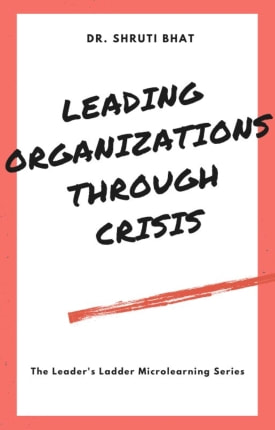
    leading organizations through crisis
    emotional intelligence
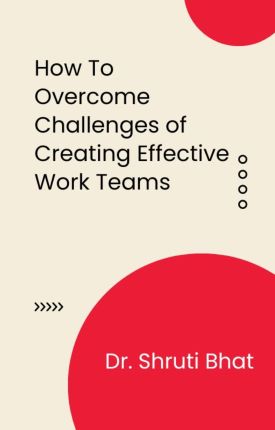
    how to overcome challenges of creating effective teams
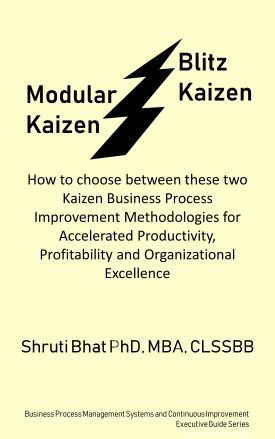
    modular kaizen Vs Blitz kaizen
    How to increase employee engagement as a new boss

Connect with Dr. Shruti Bhat at- ​YouTube, LinkedIn​ and X

© Copyright 1992- 2026 Dr. Shruti Bhat ALL RIGHTS RESERVED.
See Terms and Conditions details for this site usage.
Picture
Subscribe to PharmaOps Consulting YouTube Channel
Subscribe to Operational Excellence Academy YouTube Channel
​Subscribe to Operational Excellence Academy YouTube Channel
SHRUTI BHAT, CONTACT
Click to connect.
Disclaimer:
  • All content (and in all formats) provided on this site is for educational purposes only. It does not constitute legal, regulatory, quality, financial, medical or professional advice. If you wish to apply ideas contained on this site, web pages, resources bank, tools and/or blog; collectively referred to as website, you are taking full responsibility for your actions. 
  • No professional-client relationship is created by reading or using this content. 
  • ​To the fullest extent permitted by law, the author(s), Dr. Shruti Bhat and website owner disclaim liability for any loss or damage arising from reliance on the information contained herein. Read full disclaimer here before reviewing the site.
Created by Macro2Micro Media