Shruti Bhat PhD, MBA, Operations Excellence Expert
  • Home
  • Operational Excellence
  • Business Continuity
  • Case Studies
  • Books
  • Insights
  • Engage Shruti
    • PharmaOps Consulting
    • Tara LeanWorks
    • Training Services
  • Blog
  • Whitepapers
  • Checklists and Templates
  • Free eBooks
  • Videos
  • Articles
    • Process Improvement
    • Business Transformation
    • Innovation Management
    • Leading Research and Development
    • Developer's Diary
    • Change Management
    • Digital Transformation
    • Quality Improvement
  • About Shruti
  • Contact

DTC in Pharma: How Operational Excellence Can Transform Direct-to-Consumer Drug Delivery

8/4/2025

0 Comments

 
​Spotlight: The future of pharma isn’t just about discovering new drugs — it’s about delivering them smarter. Direct-to-Consumer (DTC) channels are reshaping how patients get their medicines.

The DTC models in pharma represent more than a distribution shift — they demand a fundamental transformation in how companies think, operate, and deliver value to patients. This transformation doesn’t happen by chance. It’s built on disciplined operational excellence — the alignment of strategy, processes, technology, and talent.

For organizations ready to explore direct-to-consumer (DTC), the challenge isn’t whether it’s viable. The challenge is whether they are operationally prepared to make it succeed.

Because, moving from a wholesale‑driven model to a patient‑centric, direct‑delivery system touches every operational layer — from supply chain design and compliance readiness to digital engagement and patient experience. Without a structured framework and skilled execution, DTC can quickly shift from being a strategic advantage to becoming a costly operational burden.

For pharma companies willing to approach DTC with both ambition and operational discipline, the rewards are substantial — stronger brand trust, improved patient relationships, and a resilient competitive position.

In this post, I present seven pillars of operational excellence that will determine whether your DTC journey thrives or falters, and how to embed them into your strategy from day one. Read full post below…

Although the DTC channels are reshaping how patients get their medicines, success won’t come from simply cutting out the middleman. Without operational excellence, even the most innovative DTC models can fail before they start.

📌 Let’s talk.
I help pharma companies embed operational excellence into their business framework — ensuring compliance, patient trust, and measurable business results. Comment below to explore how we can make your DTC journey a success!

Disclaimer: Today, I came across a story- 'More pharma giants to embrace direct-to-consumer sales' https://www.msn.com/en-us/health/other/more-pharma-giants-embrace-direct-to-consumer-sales/ar-AA1JRsBh and it inspired me to pen my thoughts here. This is not to comment in any which way about that published story. But as an Operational Excellent Expert, I am giving my perspective and insights about how any pharma company must first improve their operational excellence to achieve success with their DTC plans.
DTC in pharma_ how operational excellence can transform direct-to-consumer drug delivery
The pharmaceutical industry is undergoing a structural shift. In the past, drug makers relied almost exclusively on intermediaries — wholesalers, pharmacy benefit managers (PBMs), and retail pharmacies — to reach patients. Now, more companies are exploring Direct-to-Consumer (DTC) channels, enabling patients to order prescription medicines directly from the manufacturer.

While this promises greater control over the supply chain, better patient engagement, and potentially lower costs, DTC for pharma is only as strong as the operational excellence behind it. Without robust systems, the model risks becoming just another costly distribution experiment.

So, what does operational excellence mean in the DTC context, and how can pharma companies achieve it? Let’s take a quick look.

There are seven key areas pharma companies must focus on, to achieve success with their DTC goals. 

1. Build a Patient-Centric Supply Chain
DTC changes the customer from a wholesaler to an individual patient. This demands a shift from bulk distribution to high-frequency, small-parcel fulfillment.

Hence, pharma companies must adopt:
  • Last-mile delivery partnerships with temperature-controlled logistics providers.
  • Real-time inventory visibility to avoid stock-outs and manage demand surges.
  • Batch tracking and serialization to verify authenticity and reduce counterfeiting risk.
A patient-centric supply chain also means proactive communication — from confirming orders to updating patients on shipping delays or potential substitutions.
 
2. Integrate Telehealth and E‑Prescription Capabilities
In most countries, patients still need a valid prescription before buying prescription-only medicines. That means DTC platforms must seamlessly integrate telehealth consultations into the buying journey.

Best practices include:
  • Partnering with independent, accredited telemedicine providers for impartial prescribing.
  • Automating prescription upload and validation to reduce friction.
  • Ensuring compliance with each country’s prescription laws and data privacy regulations.
​Telehealth isn’t just about compliance — it’s a value-added service that can drive higher engagement and adherence.
 
3. Ensure Transparent and Fair Pricing
One of DTC’s promises is the potential to bypass PBM markups and pass savings directly to patients. To build trust, companies must:
  • Clearly display list price, insurance-covered price, and cash-pay price.
  • Offer subscription-based refills for chronic medications at predictable costs.
  • Communicate generic alternatives when available, avoiding the perception of pushing only high-margin brands.
Transparent pricing not only fosters trust but also encourages long-term loyalty.
 
4. Strengthen Digital Engagement and Education
A successful DTC model is more than just an online store — it’s a digital health engagement platform.

Pharma companies should invest in:
  • Educational content explaining how to use the medicine, its benefits, and its risks.
  • Disease awareness tools to empower patients to make informed choices.
  • Adherence reminders via SMS, email, or app notifications to improve treatment outcomes. ​
​
​The promise of DTC in pharma is compelling — greater control over the patient experience, improved access, and the potential for more efficient delivery models. But the transition from traditional channels to direct engagement is complex, and it reshapes every aspect of operations. Those who succeed will be the companies that embed operational excellence at the core of their DTC strategy. Those who don’t risk undermining both patient trust and business value.
Digital engagement isn’t just marketing — it’s part of the therapeutic experience.
— Dr. Shruti Bhat

​5. Safeguard Patient Data and Privacy
With DTC, pharma companies will be collecting sensitive personal and health information directly. This demands rigorous data governance and cybersecurity protocols:
  • Compliance with PIPEDA (HIPAA, DPDP etc.) GDPR, and other country- specific privacy laws.
  • Encryption for all patient data at-rest and in-transit.
  • Robust authentication systems to prevent unauthorized account access.
Data breaches in healthcare erodes trust fast — prevention is non-negotiable.
 
6. Implement Continuous Feedback Loops
Operational excellence is not a one-time setup; it’s an ongoing improvement cycle. Companies must:
  • Collect patient satisfaction and delivery experience data.
  • Monitor prescription adherence and therapy success rates.
  • Track adverse event reports and feed them into safety monitoring systems.
A feedback-driven approach ensures that service levels improve continuously, and regulatory compliance remains strong.
 
7. Maintain Ethical and Regulatory Discipline
Finally, the temptation to aggressively promote drugs directly to consumers must be tempered with ethical marketing. Regulatory agencies watch DTC closely, and crossing the line could invite costly penalties.

Pharma companies should:
  • Provide balanced information about risks and benefits.
  • Avoid misleading claims or exaggerating efficacy.
  • Clearly differentiate between educational content and promotional material.
Ethics are not just about compliance — they’re about sustaining credibility with patients and healthcare providers.

Conclusion: From Possibility to Preparedness
The move to Direct‑to‑Consumer in pharma is not simply a question of market opportunity — it’s a test of organizational readiness. While the potential benefits are clear, the pathway to realizing them is complex and unforgiving.

DTC only works if pharma companies master operational excellence. Without operational excellence, even the most compelling DTC vision risks under‑delivering on both patient value and business outcomes.

This is why the conversation around DTC must shift from “Should we do this?” to “How do we do this well?”. The answer lies in a disciplined, structured approach — one that integrates supply chain resilience, digital health enablement, compliance assurance, patient‑centric engagement, and robust feedback loops into a single, coherent operating model.

Companies that lead in this space will be those that treat operational excellence not as an afterthought, but as the foundation of their DTC strategy.

That means building capabilities, strengthening governance, and developing teams who can execute with precision in a highly regulated, high‑expectation environment.

For organizations ready to make this transition with confidence, the next step is not just investment in technology or logistics — it’s investment in the expertise, frameworks, and training that will ensure operational readiness from day one. But without operational discipline, it risks being an expensive misstep in an already complex healthcare landscape.

With the right operational strategy and implementation, DTC in pharma can evolve from an experimental channel to a sustainable growth engine, delivering measurable value to both patients and the business.

📌 Let’s talk.
I help pharma companies embed operational excellence into their business framework — ensuring compliance, patient trust, and measurable business results.
📩 DM me or comment below to explore how we can make your DTC journey a success!
Get in Touch
Operational Excellence Case Studies at: https://www.drshrutibhat.com/operational-excellence-case-studies-manufacturing-and-services.html 

Keywords and Tags:
#DTCPharma #PharmaInnovation #OperationalExcellence #DigitalHealth #PatientCentric #PharmaSupplyChain #Telehealth #MedTech #PharmaMarketing #HealthcareTransformation #PharmaFuture #EthicalPharma #PatientEngagement

​​Categories:  Operational Excellence | Life Science Industry | Supply Chain Logistics

​Follow Shruti on YouTube, LinkedIn, X

Subscribe to Operational Excellence Academy YouTube channel:

Picture
0 Comments

Transforming Patient Care: How Lean Methodology Reduced Wait Times and Enhanced Resource Management in Healthcare

12/21/2024

0 Comments

 
Spotlight: This healthcare facility cut patient wait times by 40% and improved resource utilization by 20% with Lean principles. The result? Happier patients and smoother operations! Learn how small process changes can make a huge difference. A true success story of operational excellence!
Checkout full story below...
Innovating Healthcare Operations for Better Patient Care
Transforming Patient Care: How Lean Methodology Reduced Wait Times and Enhanced Resource Management in Healthcare- A Case Study.

A healthcare facility was facing challenges with long patient wait times and inefficient resource management, which negatively impacted patient satisfaction. The waiting area was often crowded, and staff members were stretched thin, struggling to manage patient flow effectively. The inefficiencies led to delays in treatment and patients grew increasingly frustrated with the lengthy wait times. Recognizing the need for operational improvements, the facility aimed to find a solution that would optimize resources and improve patient care.

To tackle these challenges, we introduced Lean methodology focused on streamlining scheduling and resource allocation.

Lean principles, widely known for reducing waste and improving efficiency, were applied to redesign the patient flow process. By mapping out the existing workflow, we identified bottlenecks where delays were most frequent and targeted specific steps for improvement. A taskforce was created to bring-on the change. The team developed a new scheduling system that evenly distributed patient appointments, reducing peak times and helping to balance staff workload throughout the day. Resource allocation was optimized, ensuring that staff, equipment and facilities were used efficiently based on real-time needs.

The impact of these changes was immediate and profound. Patient wait times decreased by 40%, allowing patients to receive care faster and reducing congestion in the waiting areas.

In addition, the improved flow and optimized resource allocation, led to a 20% improvement in resource utilization, allowing the facility to operate more smoothly even during peak hours. With shorter wait times and a more organized care experience, patient satisfaction scores rose significantly, reflecting the positive changes felt by patients and staff alike.

This success story demonstrates that even small process improvements can lead to substantial benefits in patient outcomes and overall satisfaction. By adopting Lean methodology the healthcare facility achieved a balanced, efficient system that not only improved patient flow but also supported a better care environment. This transformation highlights the importance of operational excellence in healthcare, showing how thoughtful process changes can drive meaningful improvements in both patient experience and resource management.

Ready to optimize your healthcare facility's operations? Contact us today to discover how Lean methodology can transform patient care and boost efficiency!
Get in Touch
More Operational Excellence Case Studies at: https://www.drshrutibhat.com/blog/category/case-studies

Keywords and Tags:
#LeanHealthcare #PatientSatisfaction #OperationalExcellence #HealthcareEfficiency #PatientFlow #ResourceOptimization #ProcessImprovement #HealthcareInnovation #LeanMethodologies #BetterPatientCare #HealthcareSuccess #ReducedWaitTimes #PatientExperience #HealthcareOperations #EfficiencyInHealthcare #HealthcareExcellence #PatientCare 

Categories:  Case Studies | Healthcare | Operational Excellence 

​Follow Shruti on Twitter, YouTube, LinkedIn

Subscribe to Operational Excellence Academy YouTube channel:

Picture
0 Comments

How to Improve Operational Excellence in the Healthcare Industry

10/9/2022

0 Comments

 
how to improve operational excellence in healthcare industry
It takes time, commitment, persistence and investment to truly embed operational excellence (OpEx) in healthcare organizations; it is indeed a long-term project. The healthcare industry is ripe for Six Sigma and Lean efforts.

The industry shares many of the same challenges as a for-profit company, with the addition of culture and hierarchy barriers. There have been 12 reform attempts by the U.S. government since the onset of the healthcare crisis in the early 20th century. Using these methods can improve operational efficiency and increase patient satisfaction. An example of operational excellence in the healthcare industry is the referral to listing process for heart transplant patients. Most patients seeking a heart transplant are suffering from severe heart failure, heart disease, or other environment-related conditions.

To implement a successful OpEx strategy, organizations should begin by assessing their current status. The goals must be SMART (specific, measurable, achievable, relevant, and time-bound). They should include broad objectives as well as specific KPIs. This will make it easier to implement the strategy. As with any change initiative, operational excellence programs require resources and education from all employees. Once everyone is on board, the next step is implementing the program.

One example of a healthcare company's use of Lean Six Sigma processes is the implementation of a safety checklist. These checklists help to reduce the number of hospital-acquired bloodstream infections by more than 80%, resulting in a lower cost per infection. Other examples of operational excellence include SickKids Hospital in Toronto Canada, which has created a culture that empowers departments to act on problems.

Organizational excellence programs need to be implemented by empowering team members. These teams need to be empowered and encouraged to come up with ideas and bring suggestions to management. By empowering employees, you can improve the customer experience and the overall knowledge of your team. Ultimately, operational excellence is a journey, and your organization will always improve. Therefore it is crucial to invest in a robust training program for your employees.

Metrics for operational excellence are vital to measuring progress and providing meaningful information to employees. They help them focus on their work and help them determine where they need to make more effort. Metrics should be specific, measurable, and timely, so that the team can make changes as they see fit. The company should measure customer satisfaction and the overall patient experience to ensure operational excellence. The results of the metrics can be used to prioritize priorities and improve operations.

Surgical services are a major source of revenue in many hospitals and health systems. However, many healthcare systems do not use their key assets in the most efficient way possible. For example, when it comes to data migration, a lot of employees are not willing to switch to new methods. Therefore, the implementation of an OpEx program should be supported by a serious commitment from top-level management. The results should be visible in a matter of months.

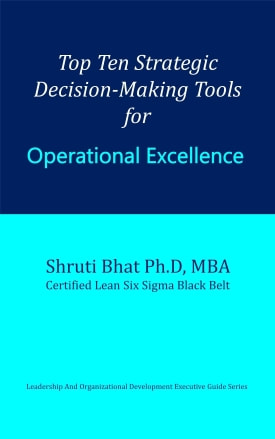
To know more about how to bring a culture of operational excellence at your organization, checkout- Top Ten Strategic Decision-Making Tools for Operational Excellence

​Implementing Lean methodology is a great way to increase your chances of success. The Lean methodology offers proven solutions that are based on gathered facts and work in the real world. Additionally, Lean solutions can be transferred to other facilities, which will result in continuous improvement. Many modern healthcare organizations face the challenge of staff utilization. By improving staff management processes, Lean healthcare organizations will be able to use their resources more efficiently and boost patient safety.

Related Reading:​
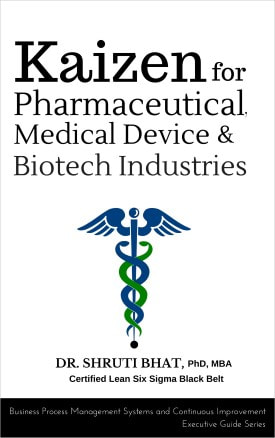
  1. Kaizen for pharmaceutical, medical device and biotech industries
  2. How to cut costs strategically using Kaizen
  3. Streamline processes and workflows with Gemba Walk.
  4. Top Ten Strategic Decision-Making Tools for Operational Excellence

Follow Shruti on Twitter, Facebook, YouTube, LinkedIn

Categories:  Healthcare | Operational Excellence

Keywords and Tags:
#operationalexcellence #operationalexcellenceforhealthcareindustry #heathcareindustry #strategicdecisionmaking #decisintools #strategy #operationalexcellence  #strategymanagement #decisionmaking #strategicplanning  #challengesofdecisionmaking #OpExfor healthcare
Get In Touch
0 Comments

Healthcare process efficiency improvement with blood bank robot

9/29/2022

0 Comments

 
healthcare process efficiency improvement with blood bank robot
​Today, September 29th is World Heart Day! Wish you all a Happy Heart, dil se …
 
Few days back, I read, that a company in The Netherlands launched a fully automated blood bank robot. The group claims that this robot simplifies the process of processing hundreds of blood donations each day. 
 
According to the news report, this fully automated system can take over manual tasks such as sorting by blood groups and ingredients, sticking labels, scanning codes, etc. It automates the entire process and prevents any potential contamination or damage to the donated items. It is also highly ergonomic. Moreover, the system automates all process activities and saves time.
 
My take on this news is that a blood bank robot will surely improve healthcare process efficiency, especially- The Red Cross platelet shipping box, stem cell research, targeted drug delivery via RBC carriers, handling hospital emergencies and surgeries.
 
Advances in trauma care and open-heart surgery have increased the need for blood. As blood bank robot shortens the blood donation process; hopefully, this will translate in overall cardiac care process efficiency improvement.
 
As a passionate scientist in cardiac therapeutic research as well as a process efficiency expert, a fully automated blood bank robot is a welcoming news!

Lastly but not in the least, I take a moment to pay my regards to the ‘Father of the blood bank’- Dr. Charles Richard Drew, renowned surgeon and pioneer in the preservation of life-saving blood plasma.

Related Reading:
  1. Kaizen for pharmaceutical, medical device and biotech industries​
  2. How to cut costs strategically using Kaizen
  3. Top 30 Continuous Improvement Tools
  4. How to Improve Operational Excellence in the Pharma Industry
  5. Top 10 Change Management models
  6. Continuous Improvement for Drug Industry: Part 1: Introduction to Digitalization in Pharmaceutical and Medical Device R&D.

Follow Shruti on Twitter, Facebook, YouTube, LinkedIn

Categories:  Life Sciences | Operational Excellence | Healthcare

Keywords and Tags:

#bloodbankrobot #drcharlesricharddrew #redcrossplateletshippingbox #redcross #lifesciences #blooddonation #cardiaccare #fatherofbloodbank #bloodplasma #operationalexcellence #continuousimprovement #healthcare
Get In Touch
0 Comments

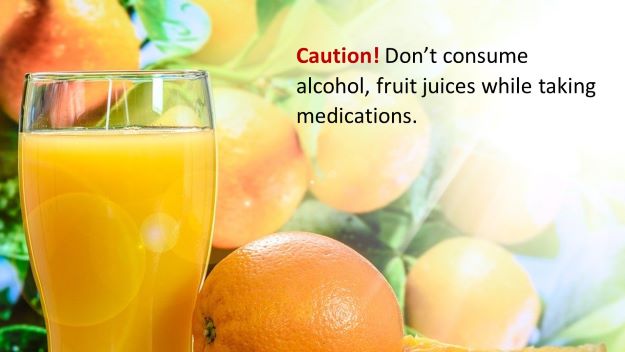
Caution! Don’t consume alcohol, fruit juices while taking medications.

7/29/2020

0 Comments

 
​Many times, people are unaware of the effects of drinking alcohol and fruit juices while on medications. 
caution dont consume alcohol fruit juices while taking medications
Certain medications such as anti-depressants, anti-blood pressure, anti-diabetics should never be mixed or consumed along with alcohol (not even 1-2 social drinks). Similarly, certain anti-blood pressure medicines and antibiotics should never be consumed along with fruit juices especially grape-fruit juice. Why so? There are three main reasons: 

Firstly because many drugs inherently interact with alcohol and/ or fruit juices (including natural juices). In technical terms this is called as drug-food interaction. What this means is that, the drug’s behavior on a patient’s body changes and it may not show the desired beneficial effect or cure. This is called In other cases, it may also show single or multiple adverse effects including vomiting, head ache, flushing, paralysis or even death.

Secondly, if a patient takes multiple medications (including vitamins and supplements), consuming alcohol or fruit juice along with medications can lead to potential drug-drug interactions inside a patient’s body. This can aggravate effect of one drug while minimizing effect of other drugs, producing toxic effects of one drug while the other drugs show no effect at all !  

Thirdly, if a patient takes a ‘Time Release” medication, consuming alcohol along with such medications might prove to be fatal. 

A time-release medicament is a hi-tech product. It typically contains 2 or more doses of the drug (or medicament) in a single tablet or capsule, which is programmed to automatically release appropriate drug doses at programmed time intervals. Alcohol damages this programming and the patient gets all doses in one go, scientifically referred to as ‘dose dumping’. And the adversity of toxic effects as a result of dose-dumping, will directly be dependent upon the extent of dose-dumping and may include headache, vomiting, skin rashes, difficulty in breathing, loss of vision, memory loss, paralysis and death. Since, each person’s body reacts differently to alcohol initiated dose-dumping, it is absolutely impractical to predict severity of adverse effects. 

Synonymous time-release formulations include- Extended release (ER), Modified release (MR), Controlled release (CR), Sustained release (SR), Prolonged release (PR), Delayed release (DR) etc. 

Time-release medications are available both as Prescription (for example Sedatives, Marijuana, Antidepressants, Opiates, Anti-diabetic, Anti-blood pressure, Antibiotics etc.) as well as Over- the-counter (OTC) products (such as Cold, Flu, Anti-allergy, Aspirin, Pain remedies etc). 

Regardless of the medicament being regular or a time-release product, if you take prescription or over-the-counter medications, ask your health care provider for advice about alcohol, fruit juice intake. An important point to note is that even herbal medicines and supplements can have adverse interactions with alcohol and/or fruit juices.

Such information about a particular drug product's potential interaction with alcohol, fruit juices, or any other hot or cold beverage can be displayed on the pharma manufacturing company's website. This is an un-met opportunity in Continuous Improvement of patient engagement process. 

Disclaimer- Readers are advised to please note that, the information contained in this article is NOT a substitute for medical advice. It is intended to empower general public to understand the pharmaceutical world and consider ideas and alternatives while discussing their specific health scenario with medical and pharmaceutical professionals. Please discuss your specific scenario with a qualified Medical Doctor and ONLY follow health advice given by a qualified medical professional. Also, please note that each country has its own health care related regulation(s), readers are therefore expected to over-ride any information presented here to adhere to rules of their land.
Follow Shruti on Twitter, Facebook, YouTube, LinkedIn
0 Comments

Kaizen Training for R&D, Manufacturing and Service-based Organizations

5/2/2019

0 Comments


A Kaizen Transformation roadmap will help you balance two worlds- the 'right now' and the 'next future'.

Top Experts in Kaizen Strategy Design & Training 

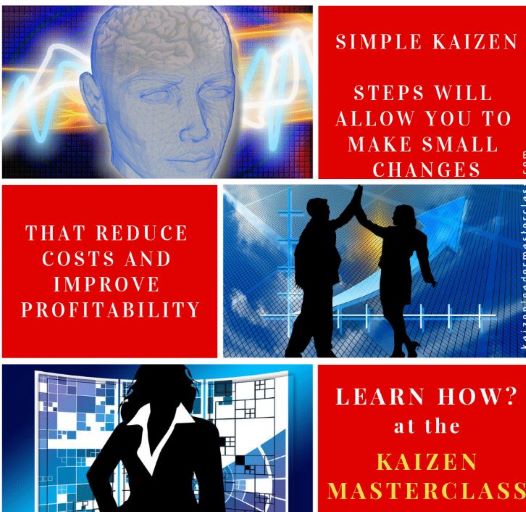
Kaizen Masterclass workshop by Dr Shruti Bhat
Kaizen Masterclass
To learn more about how Shruti can help your organization achieve new heights or to book a Workshop, Contact Dr. Shruti Bhat via Form or WhatsApp

Follow Shruti on Twitter, YouTube, LinkedIn

​Keywords and Tags:
#Kaizen  #KaizenTraining #KaizenLeaderMasterclass #ManufacturingExcellence #AgileKaizen #Lean #BPM #Manufacturing  #OrganizationalExcellence
0 Comments

Popular Workshops & Webinars on 'Continuous Improvement' for Service Industries

2/14/2019

0 Comments


Increase Customer Satisfaction, Service Efficiency and Reduce Product Returns with Lean, Kaizen and Other Continuous Improvement Methodologies.

Popular Workshops & Webinars on Continuous Improvement Conducted by Dr. Shruti Bhat for Service-based Companies-

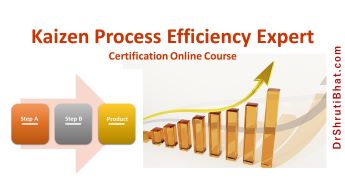
Kaizen process efficiency improvement expert certification course by Dr Shruti Bhat
visual management workshop by Dr Shruti Bhat
Workshop on kaizen for healthcare by Dr Shruti Bhat

Workshop on Kaizen masterclass by Dr Shruti Bhat
Lean for service industry workshop by Dr Shruti Bhat
Agile kaizen for improving sales and marketing workshop by Dr Shruti Bhat

    For brochures and other details Contact Us

SEND
About Shruti Bhat PhD, MBA, Certified Lean Six Sigma Black Belt
 
Dr. Shruti Bhat is an award-winning Business Excellence Leader, Global Continuous Improvement Mastermind, Best-selling Author and Speaker. She is Continuous Improvement Advisor to several start-ups, mid-size and growing firms in Canada, USA, India, Africa and Emerging markets. She has authored eight business books and is an invited speaker at several national and international conferences, symposia and workshops.

Follow Shruti on Twitter, YouTube, LinkedIn
 

​Keywords and Tags:
#LeanManufacturing #ContinuousImprovement #QualityImprovement  #eLearning  #ServiceIndustry   #BPM  #LeanManagement  #KaizenMasterclass  #LeanSixSigma  #Kanban 
0 Comments
<<Previous

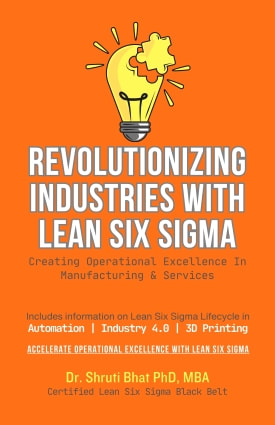
    New Book Released!

    Revolutionizing Industries with Lean Six Sigma

    Shruti's YouTube Channel ...

    Picture

    Blog Categories

    All
    3D Printing
    Agile
    Artificial Intelligence
    Automation
    Biotechnology
    Books
    Business Continuity
    Business Turnaround
    Case Studies
    Change Management
    Checklists
    Chemical Industry
    Continuous Improvement
    Design Thinking
    Digitalization
    Drug Delivery
    External News Links
    Hall Of Fame
    Healthcare
    Hoshin Kanri
    HR Development
    Innovation
    Insights
    ISO
    Just In Time
    Kaizen
    Leadership
    LEAN
    Lean Six Sigma
    Life Sciences
    Machine Learning
    Manufacturing
    Medical Devices
    Mistake Proofing
    Motivational Cards
    MSMEs
    Nanotechnology
    Operational Excellence
    Packaging
    Patents
    Personal Products
    Process Improvement
    Product Development
    Productivity Increase
    QbD
    Quality Management
    R&D Leadership
    Robotics
    Service Industry
    Six Sigma
    Strategy
    Supply Chain Logistics
    Telecom Industry
    Templates
    TQM
    Videos
    Voice Of Customer
    Whitepaper
    Workshops

    Shruti's books...

    Picture
    top ten strategic decision-making tools for operational excellence
    shruti bhat, business process management, continuous improvement
    kaizen for pharmaceutcials, medical devices and biotech industry book by Dr Shruti Bhat
    Book on Continuous improvement tools by Dr Shruti Bhat
    kaizen for leaders, continuous process improvement tool to increase profit and organizational excellence by shruti bhat
    kaizen, shruti bhat, continuous improvement, quality, operations management
    how to lead a successful business transformation
    leading organizations through crisis
    emotional intelligence
    how to overcome challenges of creating effective teams
    modular kaizen Vs Blitz kaizen
    How to increase employee engagement as a new boss

Connect with Dr. Shruti Bhat at- ​YouTube, LinkedIn​ and X

© Copyright 1992- 2026 Dr. Shruti Bhat ALL RIGHTS RESERVED.
See Terms and Conditions for details on this site usage.
Picture
Subscribe to PharmaOps Consulting YouTube Channel
Subscribe to Operational Excellence Academy YouTube Channel
​Subscribe to Operational Excellence Academy YouTube Channel
SHRUTI BHAT, CONTACT
Click to connect.
Created by Macro2Micro Media