Shruti Bhat PhD, MBA, Operations Excellence Expert
  • Home
  • Shruti
  • Operational Excellence Hub
  • OpEx Models
  • Writings
    • Process Improvement
    • Business Transformation
    • Innovation Management
    • Leading Research and Development
    • Developer's Diary
    • Business Continuity
    • Change Management
    • Digital Transformation
    • Quality Improvement and Compliance
    • Free eBooks and Whitepapers
    • Checklists and Templates
  • Books
  • Services
    • PharmaOps Consulting
    • Tara LeanWorks
    • Training Services
  • Blog
  • Insights
  • Case Studies
  • Patents
  • Print Publications
  • Videos
  • Contact

How to Build a Lean Daily Management System That Actually Drives Results

6/20/2025

0 Comments

 
​Most Lean Daily Management Systems look great during rollout.

Too many of them look good on paper—but fail on the floor.
Whiteboards go up. KPIs get posted. Huddles start.

And yet—nothing changes-
  • The floor still runs reactive.
  • Problems don’t get solved.
  • Leaders still manage by the numbers, not by behavior.
  • And frontline teams don’t own the outcomes.

Here’s the hard truth:
A Lean Daily Management System isn’t about tracking activity.
It’s about creating daily habits that align people, solve problems, and build accountability.

The best systems we have helped build share three traits:
  1. Visuals that drive decisions — not just data dumps
  2. Short, sharp huddles that solve problems at the right level
  3. Leaders who coach, not just check

A Lean Daily Management System should do more than measure. It should drive clarity, discipline, and momentum—every single day.
And it should be a system that works for your operations, your people, and your constraints.

If you're building or rebooting daily management and want a system that sticks—this is the work we do.
Through hands-on consulting and practical team training, we help organizations turn their daily routines into a culture shift.

DM me or book a discovery call to learn how we can build a system that actually sticks.
How to Build a Lean Daily Management System That Actually Drives Results
Get in Touch
Operational Excellence Case Studies at: https://www.drshrutibhat.com/blog/category/case-studies

Keywords and Tags:
#LeanDailyManagement #OperationalDiscipline #ContinuousImprovement #LeanLeadership #ProblemSolvingCulture #VisualManagement #DailyAccountability #LeadershipSystems #LeanExecution #GembaManagement #LeanManagement #DailyManagement #OperationalExcellence #GembaLeadership #KaizenCulture #LeanTransformation #LeadershipDevelopment #DrShrutiBhat
​​
Categories:  Operational Excellence | Leadership| Lean

​Follow Shruti on Twitter, YouTube, LinkedIn

​​Subscribe to Operational Excellence Academy YouTube channel:

Picture
0 Comments

The Role of Kaizen and Lean in Building Sustainable Canadian Pharma and Allied Businesses

5/15/2025

0 Comments

 
Spotlight:
New data released (May 2025) by Statistics Canada confirms that Canada’s innovative pharmaceutical industry is more than a contributor to health, it is a driver of national economic growth and resilience. 

Growing a strong, competitive domestic life sciences sector with cutting edge biomanufacturing capabilities and ensuring preparedness for pandemics or other health emergencies is a strategic need.

Building Canada's domestic capabilities in biomanufacturing and life sciences will help not only improve readiness and self-reliance in responding to future health or geopolitical emergencies but also contribute to Canada's economic growth, create good jobs, and increase Canada's contributions to the development of the next generation of medicines.

It is heartening to see that Canadian pharma companies and life sciences sector in general, are ready to take on the challenge. However, it is equally true that increasing regulatory pressure, rising operational costs, and mounting environmental expectations are reshaping the industry.

To remain competitive and sustainable, organizations must move beyond compliance and efficiency metrics—they must rethink how work is done, at every level.

This is where Kaizen and Lean offer more than mere process improvement: they provide a philosophy for long-term resilience.
​
Read the full post below…
the role of kaizen and lean in building sustainable Canadian pharma and allied businesses
Canada’s pharma and other life sciences industries are under pressure to cut waste, meet sustainability targets, and remain globally competitive. The answer lies not in one-time fixes but in adopting Kaizen and Lean as core philosophies. Here’s why they matter more than ever…
 
Why Sustainability in Pharma is Not Optional

Canada’s pharma and allied sectors—spanning medical devices, biotech, and healthcare supply chains—operate in highly resource-intensive environments. Regulatory standards, patient safety, and product integrity demand flawless operations, yet these same industries face increasing scrutiny over waste, carbon emissions, and supply inefficiencies.

Sustainability, therefore, is not a “green add-on.” It is becoming central to risk management, competitiveness, and reputation. The question is: how do organizations embed sustainability in a way that enhances rather than constrains performance?

Kaizen: Continual Improvement with Lasting Impact

Kaizen is more than small fixes—it is a cultural mindset where every employee, from lab technicians to supply chain managers, is empowered to identify and act on opportunities for improvement.

In pharma, this could mean for example-
  • Reducing energy consumption in cleanrooms through smarter scheduling.
  • Simplifying documentation processes to cut redundant paperwork.
  • Engaging cross-functional teams to minimize rework in quality control.

Each improvement may seem incremental, but collectively, they transform how an organization operates—aligning cost-savings with sustainability goals.
 
ALSO READ: Implementing Kaizen principles for process optimization- Whitepaper
 
Lean: Precision and Waste Elimination in Complex Systems

Lean’s focus on eliminating waste (muda in Japanese) resonates strongly in pharma, where both compliance and speed-to-market are non-negotiable.

Waste here is not just physical—it is idle time in R&D pipelines, excess inventory in warehouses, or overproduction of trial materials.

For Canadian pharma, Lean enables:
  • Streamlined drug development cycles without compromising regulatory rigor.
  • More agile supply chains, resilient against disruptions like pandemics.
  • Reduced carbon footprint by aligning production more closely with demand.

The Intersection: Sustainability Through Operational Excellence

When Kaizen and Lean converge, sustainability is no longer a siloed initiative—it becomes embedded in daily operations. Crucially, this integration addresses three pressing needs in Canadian pharma:
  1. Regulatory Alignment – Lean reduces errors, while Kaizen drives consistency. Together, they build compliance into the process itself.
  2. Environmental Responsibility – Waste reduction directly lowers environmental impact, from packaging to energy consumption.
  3. Organizational Resilience – Continuous improvement equips teams to adapt quickly to changing regulations, market dynamics, customer demands (for example singly packed dosage forms Vs kit products) manufacturing and supply challenges.

Lessons From the Field (Global Pharma Sector)
  • A medical device manufacturer used Kaizen workshops to uncover hidden inefficiencies in sterilization processes, reducing energy use by 15%.
  • A pharma distribution firm adopted Lean inventory practices, cutting both warehouse costs and product spoilage, while enhancing service reliability.
  • A biotech research lab applied Kaizen principles to its documentation systems, reducing regulatory submission errors and accelerating approval timelines.

These examples underscore a truth: sustainability and competitiveness are not opposing forces. With Kaizen and Lean, they reinforce each other.

Although these success stories may not be from Canadian companies, the learnings can be easily extended and successfully implemented by life sciences companies in Canada and also globally.
 
ALSO READ:  Operational excellence case studies from Pharma Manufacturing
 
Moving Forward: A Leadership Imperative

The conversation around sustainability in Canadian pharma must mature. Too often, “sustainable practices” are limited to recycling bins in offices or CSR reports. True sustainability is operational—it is how a lab minimizes rework, how a distribution center eliminates redundant transport, how a manufacturer integrates eco-conscious design.
 
ALSO READ:  Operational excellence case studies on Improving R&D Productivity
 
Leaders who embrace Kaizen and Lean in their organizations are not only improving efficiency—they are setting the foundations for an industry that can withstand economic, regulatory, and environmental shocks.

The Canadian pharma and allied sectors are uniquely positioned to lead the sustainability agenda—through disciplined and proven process optimization practices. Kaizen and Lean are not quick fixes; they are strategic enablers of quick, yet long-term resilience.

For organizations ready to go beyond compliance and efficiency, the journey begins with rethinking operations at every level.
 
Conclusion

Sustainability is not an isolated initiative for Canadian pharma and allied businesses—it is the cornerstone of future competitiveness and resilience. By embracing Kaizen and Lean, leaders can transform sustainability from a compliance checkbox into a driver of operational excellence. These principles enable companies to cut costs, minimize waste, adapt quickly to disruption, and meet environmental targets without compromising innovation or patient safety. The organizations that adopt Kaizen and Lean today will be the ones shaping a stronger, greener, and more competitive Canadian life sciences sector tomorrow.
​
📌 The future of Canadian pharma will belong to organizations that embed sustainability into their DNA. If you’re serious about leading this shift, Partner with Us for Consulting & Training – let’s build your roadmap to sustainable excellence.
Get in Touch
Operational Excellence Case Studies at: https://www.drshrutibhat.com/operational-excellence-case-studies-manufacturing-and-services.html 

Keywords and Tags:
#PharmaSustainability #Kaizen #Lean #CanadianPharma #LifeSciences #OperationalExcellence #ContinuousImprovement

​​Categories:  Operational Excellence | Life Science Industry | Lean | Kaizen

​Follow Shruti on YouTube, LinkedIn, X

​Subscribe to Operational Excellence Academy YouTube channel:

Picture
0 Comments

7 Proven Strategies to Boost Operational Excellence in Animal Health Manufacturing

5/4/2025

1 Comment

 
Spotlight: Is your animal health manufacturing operation built for resilience — or just running to keep up?

In the high-stakes world of animal health, operational excellence isn't just a buzzword — it's a competitive necessity.

From managing multi-species GMP facilities to leveraging IoT for smarter compliance, leading organizations are shifting from reactive to resilient. I've distilled 7 proven strategies that are helping manufacturers drive efficiency, ensure regulatory alignment and stay ahead of market demands.

Whether it's implementing Lean manufacturing, going digital with MES and LIMS, or embedding sustainability into the supply chain — the winners are those who think holistically and act strategically.

Curious what excellence looks like in action? Read the full post below and see how your operations stack up.
7 Proven Strategies to Boost Operational Excellence in Animal Health Manufacturing
Are inefficiencies and compliance hurdles slowing down your animal health business? Checkout how leading companies are transforming operations to ensure safety, speed, and scalability in a tightly regulated industry.

Operational excellence in animal health manufacturing isn’t just about efficiency — it’s about building resilient, compliant, and innovation-ready organizations.

Here are 7 strategic levers organizations must master to stay competitive and compliant in this evolving landscape:

1. Lean Manufacturing + Six Sigma = Scalable Quality.
Eliminate waste, reduce variability, and optimize batch processes (especially in vaccines, APIs, feed additives). Use tools like Kaizen, 5S to drive continuous improvement.

2. Digital Transformation & Automation
Adopt Manufacturing Execution Systems (MES), ERP, LIMS etc. to improve traceability and real-time decision-making. Use IoT sensors in animal trials or production to monitor environmental variables and improve compliance.

3. Facility & Supply Chain Optimization
Design multi-species ready modular GMP facilities. Streamline raw material sourcing and distribution through strategic vendor partnerships and risk-mitigation planning.

4. Quality by Design (QbD) & Regulatory Alignment
Integrate QbD in R&D and manufacturing to accelerate approvals. Reduce rework. Stay updated with changing regulatory guidelines (e.g., VICH, EMA Vet etc.) to avoid delays and audit issues.

5. Data-Driven Decision Making
Measure what matters- KPIs like OEE, batch yield, deviation rates, and customer complaints provide vital operational signals. Use predictive analytics for inventory, demand forecasting, and adverse event reporting.

6. Workforce Training and Collaboration
Training and upskilling teams in GMP, digital tools and continuous improvement is key. Break down silos with cross-functional teams that bring R&D, QA, and operations into early alignment.

7. Sustainability & Animal Welfare Integration
Sustainable operations are a compliance and reputation asset. Improve water/energy use, reduce packaging waste, and follow humane testing practices; organizations must align with ESG expectations.
 
True operational excellence in animal health is a strategic journey, not a checklist. It requires integrated thinking — across compliance, innovation and execution.

Start with a strategy that integrates Lean, tech, compliance and compassion.
​
If you're navigating this complexity, let’s connect. There’s no “one-size-fits-all,” but there is a smarter way forward...
Get in Touch
Keywords and Tags:
#AnimalHealth #OperationalExcellence #LeanManufacturing #PharmaManufacturing #LeanSixSigma #DigitalTransformation #GMPCompliance #VeterinaryMedicine #GMP #SustainableManufacturing #QbD #MES #LifeSciencesManufacturing #SupplyChainOptimization #RegulatoryAffairs #WorkforceDevelopment
​
Categories:  Life Sciences | Operational Excellence | Manufacturing

Follow Shruti on Twitter, YouTube, LinkedIn

​Subscribe to Operational Excellence Academy YouTube channel:

operational excellence academy
1 Comment

Why Operational Excellence is Non-Negotiable in Pharma & Biotech?

3/30/2025

0 Comments

 
In pharma and biotech, "good enough" just isn’t good enough. Operational excellence isn’t a choice—it’s the backbone of patient safety, innovation, and long-term success.
​
why operational excellence is non-negotiable in pharma and biotech
In the world of pharma and biotech, lives are on the line every day. That’s why operational excellence isn’t just a strategic advantage—it’s a business imperative.

It’s about more than efficiency. It’s about ensuring product quality, meeting regulatory demands, reducing time-to-market, and ultimately serving patients better.

Also, in the pharmaceutical and biotech sectors, the demand for innovation is relentless—and so is the expectation for flawless execution. But innovation without discipline leads to risk, inefficiency, and erosion of stakeholder confidence. That’s why operational excellence must be treated as a strategic imperative, not a functional afterthought.

At its core, operational excellence is about building repeatable, scalable, and compliant systems that allow organizations to bring high-quality therapies to market faster, safer, and more efficiently. It touches every layer of the organization—from R&D and tech transfer to manufacturing, supply chain, and regulatory affairs.

What I often observe in my consulting engagements is this- Companies with a fragmented or reactive approach to operations struggle to keep pace with market pressures and regulatory demands. On the other hand, those who embed a culture of continuous improvement, empowered decision-making, and data-driven performance management gain a decisive edge—not just in productivity, but in patient’s trust and business resilience.

In a post-pandemic world of accelerated drug development and personalized medicine, there’s zero room for inefficiency, compliance gaps, or operational silos.

A key point to note is that- Operational excellence isn’t just about cost savings—it’s about building business resilience, agility, and long-term value creation. It is what ensures that a novel molecule in the lab becomes a life-saving treatment in the real world—with quality and speed.

In a space where precision matters, excellence is the standard--not the exception.

So, I ask:
Is operational excellence a defined pillar in your corporate strategy—or is it still treated as an initiative? Because in this industry, it’s not negotiable—it’s existential.
​

What does operational excellence mean in your organization? How do you make it a daily practice? Share your thoughts in the comments section below.
Get in Touch
Checkout Operational Excellence Case Studies at: https://www.drshrutibhat.com/blog/category/case-studies

Keywords and Tags:
#OperationalExcellence #PharmaExcellence #BiotechInnovation #BiotechLeadership #ProcessOptimization #ContinuousImprovement #PharmaLeadership #LeanPharma #ProcessExcellence #QualityMindset #PatientFirst #LifeSciences #GMPCompliance #LeanBiotech
Categories:  Life Sciences | Lean | Operational Excellence 
​Follow Shruti on Twitter, YouTube, LinkedIn

​Subscribe to Operational Excellence Academy YouTube channel:
Picture
0 Comments

5S Methodology for Machinery & Metal Work Companies

3/22/2025

0 Comments

 
A cluttered workshop doesn’t just slow you down — it bleeds profit.
In the world of metalwork and machinery, efficiency isn’t a luxury — it’s a competitive edge.

5S methodology for machinery and metal work companies
Over the years, working with several industry sectors, I always say that for Machinery and metalwork environments, disorganization isn’t just being inefficient — it is expensive! Because, overlooked tools, wasted motion and unsafe workspaces all add up to lost time, increased risk and reduced output.

Operational excellence begins with workplace discipline. That’s why I often recommend starting with the 5S methodology — a foundational Lean tool that delivers immediate, visible impact and includes:
  1. Sort – Remove what’s unnecessary.
  2. Set in Order – Give every tool a home.
  3. Shine – Clean, inspect and prevent breakdowns.
  4. Standardize – Make the best practices the only practices.
  5. Sustain – Build habits, systems that last.
 
Note that, 5S isn’t about tidying up. It’s about exploring productivity, precision and pride in every weld, cut and turn.
For metal and machinery environments, especially, 5S isn't just theory. Implementing 5S has helped reduce downtime, improve safety, and even boost morale on the floor. Because, when your team knows where everything is — and why — they work smarter and safer.

Therefore, 5S is often the quickest win for machinery and metalwork companies looking to boost efficiency, safety, and reliability — fast.

In one recent engagement, a mid-size metal fabrication shop reduced changeover time by 22% within few weeks of implementing 5S — with no additional investment in equipment. Also, if you're in a high-mix, precision-driven environment, implementing 5S might be the simplest way to uncover hidden capacity.

But 5S benefits are versatile, not just limited to machinery and metal fabrication companies… 5S is a profitability boon for all industry sectors— manufacturing and services.
​
Curious how 5S could look in your facility? Let’s connect — or share your experience below in the comments section.
Get in Touch
Checkout Operational Excellence Case Studies at: https://www.drshrutibhat.com/blog/category/case-studies
Keywords and Tags:
#5SMethodology #LeanManufacturing #MetalFabrication #OperationalExcellence #MachineryMaintenance #WorkplaceEfficiency #ContinuousImprovement #ReduceDowntime #SafetyFirst #BoostProductivity #EngineeringOperations

Categories:  Continuous Improvement | Lean | Operational Excellence 

​Follow Shruti on Twitter, YouTube, LinkedIn

​Subscribe to Operational Excellence Academy YouTube channel:

Picture
0 Comments

How a Pharma R&D team used Lean Agile principles to accelerate product development and reduce errors.

2/4/2025

0 Comments

 
Spotlight: Can Agile work in Pharma R&D? This company slashed development timelines by 20%—here’s how!

Pharma R&D is known for its complexity, long timelines, and regulatory hurdles. But what if there was a way to move faster without compromising quality? A leading pharmaceutical company was struggling with prolonged R&D cycles, delaying life-saving treatments. The inefficiencies were slowing their competitive edge, making it clear—a change was needed. Enter Lean Agile.
​
Originally designed for tech, Agile’s iterative, cross-functional approach was tailored to fit the pharmaceutical R&D environment. 
The result? A 20% reduction in drug development cycle time.
This isn’t just a process change—it’s a mindset shift. By embracing Agile, the company improved efficiency, accelerated time-to-market, and fostered an innovation-driven culture.

Checkout the full case study below …
How a Pharma R&D team used Lean Agile principles to accelerate product development and reduce errors
How a Pharma R&D team used Lean Agile principles to accelerate product development and reduce errors - A Case Study

A pharmaceutical company was struggling with prolonged timelines in its R&D process, causing delays in bringing new drugs to market. The inefficiencies in their workflows led to lengthy project cycles, impeding their ability to stay competitive and meet the urgent needs of patients. Recognizing the need for a faster, more collaborative approach, the company was recommended a solution that could streamline its R&D process and accelerate time-to-market for new drugs.

To address this challenge, Lean Agile methodology was introduced into the R&D workflows. Traditionally applied in tech, Agile’s principles of iterative progress, flexibility, and teamwork were adapted to fit the pharmaceutical R&D environment. Cross-functional teams were established, bringing together experts from R&D, regulatory and quality control to ensure that decisions could be made more swiftly and roadblocks identified early. By breaking down projects into smaller, manageable stages, the team could focus on continuous improvement, making adjustments in real time without stalling the overall development process.

The impact of Lean Agile was transformative. The company achieved a 20% reduction in drug development cycle time, meaning they could bring new treatments to market more quickly and efficiently. Collaboration between R&D and regulatory teams significantly improved, as Agile’s cross-functional approach enabled smoother communication and quicker resolution of compliance concerns. The streamlined process not only reduced bottlenecks but also fostered a proactive, innovation-driven culture that empowered teams to work with greater cohesion.

This success story highlights the power of Agile methodology beyond its roots in tech.

By applying Agile principles to pharmaceutical R&D, the company not only reduced time-to-market but also strengthened its competitive edge and enhanced its ability to deliver critical treatments faster. Lean Agile proved to be a valuable tool in the pharma industry, driving efficiency, innovation, and improved collaboration across all levels.

Agile isn't just for tech—it's a powerful tool for speeding up pharma innovation and reducing time-to-market.

What’s your take? Have you seen Agile applied in unexpected industries? Drop your thoughts in the comments!

Let’s discuss how these strategies can apply to YOUR R&D challenges…
Get in Touch
More Operational Excellence Case Studies at: https://www.drshrutibhat.com/blog/category/case-studies

Keywords and Tags:
#AgilePharma #LeanAgileforPharma #PharmaceuticalR&D #ReduceTimeToMarket #DrugDevelopment #InnovationInPharma #FasterDrugLaunch #AgileMethodology #R&DExcellence #PharmaInnovation #CrossFunctionalTeams #AccelerateDrugDiscovery #PharmaEfficiency #PharmaceuticalSuccess #FasterToMarket #AgileInPharma
​
Categories:  Case Studies | Life Science Industry | Operational Excellence 

​Follow Shruti on Twitter, YouTube, LinkedIn

​Subscribe to Operational Excellence Academy YouTube channel:

Picture
0 Comments

Predictive Maintenance in Action: How IoT and Data Analytics Reduced Downtime & Costs for a Machinery Manufacturer

1/30/2025

0 Comments

 
Spotlight- Cutting Downtime & Costs with Smart Maintenance – A Game-Changer for Manufacturing!
A leading machinery manufacturer was struggling with frequent breakdowns, unexpected downtimes, and rising maintenance costs. Their reactive approach led to production disruptions and inefficient resource use. To turn things around, they adopted Predictive Maintenance powered by IoT and Data Analytics. By installing sensors on critical machinery to track real-time metrics like temperature, vibration, and operational load, they could detect early signs of wear and potential failures.

Advanced analytics enabled maintenance teams to act before breakdowns occurred, ensuring repairs happened only when necessary. The results? 25% reduction in equipment downtime, 15% decrease in maintenance costs, and a significant boost in productivity.
​
Predictive maintenance isn't just a trend—it's a must for improving reliability and reducing costs in manufacturing companies. Read full case study below...
Predictive Maintenance in Action: How IoT and Data Analytics Reduced Downtime & Costs for a Machinery Manufacturer
Predictive Maintenance in Action: How IoT and Data Analytics Reduced Downtime & Costs for a Machinery Manufacturer- A Success Story
 
A machinery manufacturer was struggling with frequent equipment breakdowns, which led to unexpected downtimes and escalating maintenance costs. Each unplanned shutdown not only interrupted production schedules but also put pressure on maintenance teams, as emergency repairs often required more resources than regular maintenance. The situation was impacting both productivity and profitability, highlighting the need for a more reliable and proactive approach to equipment maintenance.

To address this, the company implemented a predictive maintenance strategy powered by IoT sensors and data analytics. This approach involved installing sensors on key machinery to monitor real-time health metrics like temperature, vibration, and operational load. The data gathered was then analyzed to identify early signs of wear or potential failures, allowing maintenance teams to address issues before they led to equipment breakdowns. Predictive analytics provided a clear view of equipment health, making it possible to schedule maintenance only when it was actually needed, reducing the frequency of unnecessary repairs.

The impact of predictive maintenance was substantial. Equipment downtime was reduced by 25%, allowing for more consistent production and fewer unexpected interruptions. Maintenance costs decreased by 15% as a result of fewer emergency repairs and more efficient use of resources. With machines running smoothly and disruptions minimized, overall productivity saw a significant boost, empowering the manufacturer to meet production targets with greater ease.
​
This success story demonstrates the power of predictive maintenance in machinery manufacturing. By leveraging IoT and data analytics, the company transformed its maintenance approach from reactive to proactive, improving both reliability and cost-effectiveness. Predictive maintenance proved to be more than just a trend; it became an essential tool for enhancing operational efficiency and reducing maintenance expenses, setting a new standard for reliability in machinery manufacturing.

Ready to future-proof your maintenance strategy? Let’s talk!
Get in Touch
More Operational Excellence Case Studies at: https://www.drshrutibhat.com/blog/category/case-studies

Keywords and Tags:
#PredictiveMaintenance #MachineryManufacturing #IoTInManufacturing #DataAnalytics #ReduceDowntime #OperationalEfficiency #MaintenanceCostReduction #ProactiveMaintenance #ManufacturingInnovation #IndustrialIoT #ImproveProductivity #EquipmentReliability #SmartMaintenance #MachineryHealth #ManufacturingSuccess #IoT #SmartManufacturing #Industry40  #AI #Innovation #ManufacturingExcellence #CostSavings

​
Categories:  Case Studies | Manufacturing Industry | Operational Excellence 

​Follow Shruti on Twitter, YouTube, LinkedIn

​​Subscribe to Operational Excellence Academy YouTube channel:

Picture
0 Comments
<<Previous
Forward>>

    New Book Released!

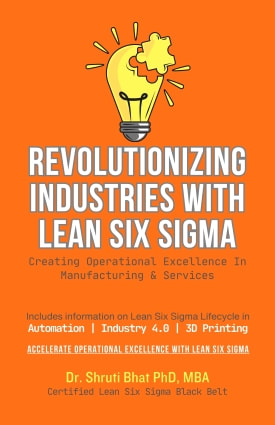
    Revolutionizing Industries with Lean Six Sigma

    Shruti's YouTube Channel ...

    Picture

    Blog Categories

    All
    3D Printing
    Agile
    Artificial Intelligence
    Automation
    Biotechnology
    Books
    Business Continuity
    Business Turnaround
    Case Studies
    Change Management
    Checklists
    Chemical Industry
    Continuous Improvement
    Design Thinking
    Digitalization
    Drug Delivery
    External News Links
    Hall Of Fame
    Healthcare
    Hoshin Kanri
    HR Development
    Innovation
    Insights
    ISO
    Just In Time
    Kaizen
    Leadership
    LEAN
    Lean Six Sigma
    Life Sciences
    Machine Learning
    Manufacturing
    Medical Devices & Prosthetics
    Mistake Proofing
    Motivational Cards
    MSMEs
    Nanotechnology
    Operational Excellence
    OpEx Models
    Packaging
    Patents
    Personal Products
    Process Improvement
    Product Development
    Productivity Increase
    QbD
    Quality Management
    R&D Leadership
    Robotics
    Service Industry
    Six Sigma
    Strategy
    Supply Chain Logistics
    Telecom Industry
    Templates
    TQM
    Videos
    Voice Of Customer
    Whitepaper
    Workshops

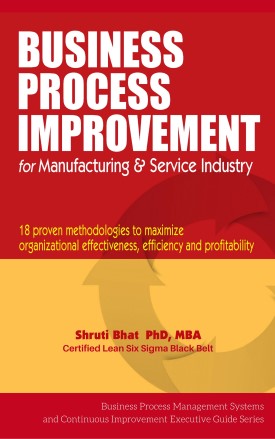
    Shruti's books...

    Picture
    top ten strategic decision-making tools for operational excellence
    shruti bhat, business process management, continuous improvement
    kaizen for pharmaceutcials, medical devices and biotech industry book by Dr Shruti Bhat
    Book on Continuous improvement tools by Dr Shruti Bhat
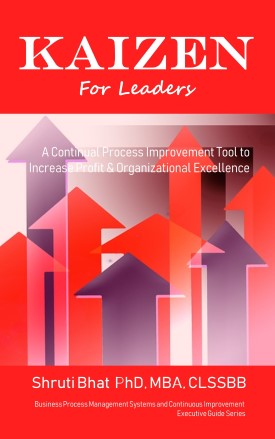
    kaizen for leaders, continuous process improvement tool to increase profit and organizational excellence by shruti bhat
    kaizen, shruti bhat, continuous improvement, quality, operations management
    how to lead a successful business transformation
    leading organizations through crisis
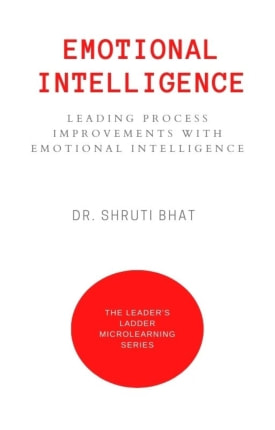
    emotional intelligence
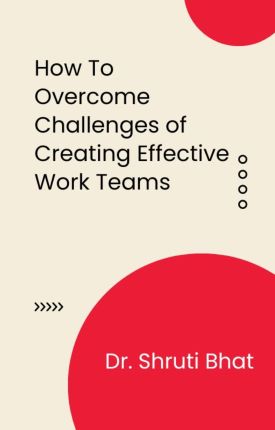
    how to overcome challenges of creating effective teams
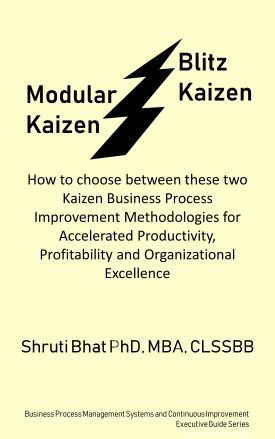
    modular kaizen Vs Blitz kaizen
    How to increase employee engagement as a new boss

Connect with Dr. Shruti Bhat at- ​YouTube, LinkedIn​ and X

© Copyright 1992- 2026 Dr. Shruti Bhat ALL RIGHTS RESERVED.
See Terms and Conditions details for this site usage.
Picture
Subscribe to PharmaOps Consulting YouTube Channel
Subscribe to Operational Excellence Academy YouTube Channel
​Subscribe to Operational Excellence Academy YouTube Channel
SHRUTI BHAT, CONTACT
Click to connect.
Disclaimer:
  • All content (and in all formats) provided on this site is for educational purposes only. It does not constitute legal, regulatory, quality, financial, medical or professional advice. If you wish to apply ideas contained on this site, web pages, resources bank, tools and/or blog; collectively referred to as website, you are taking full responsibility for your actions. 
  • No professional-client relationship is created by reading or using this content. 
  • ​To the fullest extent permitted by law, the author(s), Dr. Shruti Bhat and website owner disclaim liability for any loss or damage arising from reliance on the information contained herein. Read full disclaimer here before reviewing the site.
Created by Macro2Micro Media