Shruti Bhat PhD, MBA, Operations Excellence Expert
  • Home
  • Shruti
  • Operational Excellence Hub
  • OpEx Models
  • Writings
    • Process Improvement
    • Business Transformation
    • Innovation Management
    • Leading Research and Development
    • Developer's Diary
    • Business Continuity
    • Change Management
    • Digital Transformation
    • Quality Improvement and Compliance
    • Free eBooks and Whitepapers
    • Checklists and Templates
  • Books
  • Services
    • PharmaOps Consulting
    • Tara LeanWorks
    • Training Services
  • Blog
  • Insights
  • Case Studies
  • Patents
  • Print Publications
  • Videos
  • Contact

How To Increase Business Resilience?

10/26/2022

0 Comments

 
how to increase business resilience
Building resilience is critical to building a long-term business. It is not only about the ability to survive crises, but also about how you manage your business in those situations. To increase your business's resilience, you should measure the components of your business. To do this, you can use KPIs and essentially a strategic plan with a defined methodology (such as Kaizen, Lean, Six Sigma etc.) to increase business process robustness.
 
Planning for a pandemic
 
Understanding pandemics and their effects is critical to business resilience. Using a pandemic impact analysis template, business leaders can identify the most critical roles, processes, and assets. Developing a pandemic recovery plan requires patience and understanding of the situation. Once the plan has been implemented, businesses can return to normal operations.
 
In the wake of the COVID-19 pandemic backdrop, companies have begun to take a more holistic approach to risk management. Eight in 10 businesses indicated that they needed to adopt an enterprise-wide approach to risk management in order to tackle complex issues and maintain operational resiliency. This has led many companies to broaden their risk perspective and create pandemic-response plans.
 
Organizational resilience enables organizations to meet short-term and long-term financial goals, maintain operational capacities, and cope with fluctuating demand. Organizational resilience fosters a healthy culture within the workforce and maximizes retention. It also enforces higher standards of performance. A culture of resilience teaches staff to align their values with their actions and responds to criticism with meaningful change.
 
Planning for a pandemic can help businesses and organizations deal with the financial consequences of a pandemic. Governments can help businesses and organizations adapt by deferring tax payments or providing incentives for digital investments. In addition, business systems and strategies need to be designed to be resilient and offer sustainable products.
 
Managing for resilience
 
Business resilience is the ability to take a blow and bounce back. It embodies the principles of business continuity but goes beyond these to strengthen an organization's immune system. It entails managing for change and takes into account the relationship between all relevant forces and their potential impacts. In addition, it requires contributions from different management disciplines.
 
Resilience is the ability of a business to withstand a range of threats, including disruptions to ICT (information and communication technologies) systems, cyber attacks, consumer demands, and market changes. It is essential to the continued operation of a business, and this requires a long-term mindset. Businesses must consider the risks associated with these risks and build contingency plans to address them.
​
While business resilience varies greatly from company to company, many leading companies are attempting to create a more resilient culture. For example, go for local solutions, servant leadership, multi-stakeholder engagement, and long-term goals to build resilience.
 
How to succeed in building business resilience?
 
Business resilience requires a commitment from senior management and is distinct from business continuity. It requires employees to think on their feet and leaders to anticipate and respond to challenges. As a result, business leaders must be clear in communicating their resilience approach and making sure that people are aware of it.
 
Managing for growth
 
Managing for growth can increase your business resilience, which is the ability to withstand unexpected change. In today's world, technology is evolving at an exponential rate, and many organizations are struggling to keep up. This can have serious consequences for your business if it goes unaddressed.
 
The most resilient companies are those that can take advantage of unexpected opportunities and minimize damage from new threats. This requires a flexible organizational structure, modern processes, and effective communications. In addition, business leaders should avoid micromanagement and focus on the development of an inclusive culture. They should eliminate silos in the organization and integrate their IT and business functions. Developing a culture of business resilience requires strategic planning to ensure the long-term health of the company.
 
As part of building business resilience, a company's management team should understand the business's KPIs and share a common understanding of its resilience track record. They should also agree on how much risk they will tolerate in the future. It is important not to use generic risk assessments but insist on specific goals based on hard questions. The process of determining these goals will be a back-and-forth process, and they are most likely to fall in a gray area of marginal risks.
 
Embed ‘Continuous Improvement’ in your organization’s DNA-
 
Resilience is essential for business survival, but many companies are not building enough of it. In today's turbulent world, more companies are becoming vulnerable to crises. However, by investing in resilience, companies have the potential to increase their profitability. However, they must be aware of the trade-offs that come with resilience. For example, investing in infrastructure may lead to increased costs, while reducing revenue.
 
High-budget investment plans to build business resilience may not work for all companies, especially the small setups and startups. A more doable approach is to install Lean, Kaizen in your company’s DNA. Kaizen-ing by default minimizes risks, reduces operational costs, improves product quality and catapult’s customer satisfaction.
 
Kaizen-ing hence brings dual benefit- It increases both topline and bottom line of a business, regardless of its size or industry sector. Contact us to know more about How Lean, Kaizen can help your business?
 
An important to note is- While taking steps to build business resilience, it is also necessary to measure success. A Bain Resilience Index measures the resilience of individual companies. I’ve a separate post on this, check it out here.


Related Reading:​
  1. Up to speed with workflow- How to choose business process improvement methodology for your organization and measure the positive change. 
  2. Kaizen for pharmaceutical, medical device and biotech industries
  3. How to cut costs strategically using Kaizen
  4. Streamline processes and workflows with Gemba Walk.
  5. Top Ten Strategic Decision-Making Tools for Operational Excellence

Follow Shruti on Twitter, Facebook, YouTube, LinkedIn

Categories:  Strategy | Operations | Leadership

Keywords and Tags:
#operationalexcellence #strategicdecisionmaking #strategy #strategymanagement #businessresilience #continuousimprovement #managingforchange #managingforgrowth
0 Comments

5 Strategies to Increase Resilience in Supply Chain Management

10/25/2022

0 Comments

 
Spotlight: Supply chains aren’t invincible — but they can be resilient. Is yours ready for the next disruption?

From pandemics to geopolitical shifts, global supply chains are under constant stress. In my recent blogpost, I break down 5 powerful strategies to build resilience into your supply chain — not just to survive disruption, but to thrive through it.

Whether you're in manufacturing, logistics, or operations leadership, these insights can help future-proof your business and turn volatility into opportunity.

Ready to transform your supply chain into a competitive advantage?

Read the full post below…
​Let me know which strategy resonates most with your organization — or share how you build resilience.
5 strategies to increase resilience in supply chain management
Supply chain resilience is the ability to adapt and survive unforeseen disruptions. It enables enterprises to respond ahead of competitors and meet changing market demands. It can help prevent and mitigate disruptions like supply/demand imbalances and shortages. In addition, it can improve competitiveness. Here are some strategies to increase resilience:
 
Creating a nerve center
 
Creating a nerve center for supply chain management can improve the speed and effectiveness of your decision-making. By bringing together the specialists from all aspects of the supply chain, you can develop a team that will make the most of available resources. You can also build a stronger connection with key suppliers by establishing deeper partnerships. Your nerve center will act as a central hub to share information, set up essential working infrastructure, and track the progress of key initiatives. Once implemented, the benefits can be seen within five weeks. Creating a nerve center for supply chain operations will improve your cost base, protect your margins, and drive organizational alignment.
 
Supply chain management has undergone tremendous changes over the past few decades. With access to cheaper labor, regulatory incentives, and proximity to growing consumer markets, businesses have extended their supply chains globally. As a result, creating a nerve center for supply chain management can help you stay ahead of disruptions.
 
Creating scenario-based planning
 
Creating scenario-based planning can help businesses better balance the risks and potential trade-offs they face in their business. It can also help companies plan for the worst-case scenarios, helping them avoid delays and potential problems. Traditionally, supply chain managers have focused on minimizing surplus and keeping stock levels low. However, when the Ebola epidemic hit, many businesses were forced to bear the brunt. They were forced to cut back production and inventory, and many retailers struggled to sell their stock.
 
While a shaky supply chain is always a risk, many companies are taking steps to increase resilience in their supply chains. This requires a comprehensive set of plans and strategies. For example, companies should look into resetting capacity utilization targets, identify triggers to add capacity, and align order fulfillment strategies with customer demand and needs.
 
Splitting inventory across multiple fulfillment locations
 
Whether you're an ecommerce retailer or you're a traditional retailer, the ability to split inventory among several fulfillment locations increases the resilience of your supply chain management. By doing so, you can keep your inventory closer to the end customer while saving space and time.
In recent years, production networks have begun to regionalize. This trend is likely to continue, particularly as Asia continues to grow faster than other parts of the world.
 
Increasing visibility

Increasing visibility is a critical component of resilience, as it enables companies to identify potential problems early and make quick decisions. It also helps them avoid disruptions. Achieving this level of visibility allows companies to develop new capabilities to assess the risks in their supply chain. By using real-time data and analytics, companies can make better decisions about how to handle disruptions.
 
Supply chain visibility helps businesses track individual components and products in the supply chain. It provides near real-time data at every step of the process, giving management teams full transparency. This transparency helps them develop better business strategies and risk management plans, which help them act proactively to mitigate risk.
 
Embed ‘Continuous Improvement’ in your organization’s DNA
 
Building resilience into your supply chain processes is a strategic initiative, whose goal is to have assured business outcome and profitability.  When done right, cash-rich organizations can achieve it faster. But what about the small players, startups? These businesses usually have a tight purse-string. 

A doable, affordable yet assured pathway for building resilient business workflows is to install Lean, Kaizen in your company’s DNA. Kaizen-ing by default minimizes risks, reduces operational costs, improves product quality and catapult’s customer satisfaction.
 
Kaizen-ing hence brings dual benefit- It increases both topline and bottom line of a business, regardless of its size or industry sector. Contact us to know more about How Lean, Kaizen can help your business?
 
An important point to note is that- While taking steps to build business resilience, it is also necessary to measure success. A Bain Resilience Index measures the resilience of individual companies. I’ve a separate post on this, check it out here.

Related Reading:​
  1. Kaizen for pharmaceutical, medical device and biotech industries
  2. How to cut costs strategically using Kaizen
  3. Streamline processes and workflows with Gemba Walk.
  4. Top Ten Strategic Decision-Making Tools for Operational Excellence

​Operational Excellence Case Studies at: https://www.drshrutibhat.com/blog/category/case-studies

Follow Shruti on Twitter, Facebook, YouTube, LinkedIn

Categories:  Strategy | Operations | Supply chain logistics

Keywords and Tags:
#operationalexcellence #strategicdecisionmaking #strategy #strategymanagement #supplychainmanagement  #supplychainprocessimprovement #SupplyChainResilience #OperationsStrategy #BusinessContinuity #RiskManagement #LogisticsLeadership #DigitalTransformation #AgileSupplyChain #DrShrutiBhat #InnovationInOperations #FutureOfSupplyChain​

​Subscribe to Operational Excellence Academy YouTube channel:

Picture
0 Comments

Types of strategic decision-making at workplace

10/24/2022

0 Comments

 
typs of decision-making at workplace
When you want to make strategic decisions for your company, you should first have a clear idea of what the company's mission and vision are. 

​These may include environmental solutions, turnover, expansion to newer geographies, or a combination of these. Knowing these long-term goals can help you make daily decisions. Creating a mission statement is an excellent way to make this goal crystal clear. Then, you can use this mission statement to guide your strategic decisions.

Elimination by aspects
The elimination by aspects of strategic decision-making technique is a method that reduces the number of alternatives in an analysis by identifying the important attributes of each. The decisionmaker then evaluates the alternatives one at a time, eliminating any that do not meet this criterion. For example, a decisionmaker may consider two car options, one of which is more affordable, and the other is safer. After evaluating the alternatives, the decisionmaker will decide which option will have the best balance of those two attributes.

The elimination by aspects model reduces the number of possible alternatives and outcomes to a manageable number. Nonetheless, this method may produce sub-optimal results if not done correctly.

Functional decision-making
Functional decision-making can be a tricky process. However, it's important to know that cross-functional decision-making is a necessity to get the best answer for any problem.

The process of making important decisions must be delegated to the proper level of the company. This means avoiding CEOs from making decisions that should be made by regional managers. Yet, in today's world, too many decisions are made at the top level of a company, often to the detriment of the company's employees. Fortunately, there are ways to balance the executive team at the center with business unit managers to avoid this pitfall.

Intuitive rational combinations
There is a dearth of literature examining the role of context in influencing intuition. Despite the prevalence of intuitive decision-making, there has been little research into its contextual determinants, nor have studies examined how different perspectives influence intuition. In a study, examining the role of three contextual factors on intuitive decision-making found that contextual factors have a greater impact on intuition than the nature of the decision.

The number of studies exploring the role of intuition in strategic decision-making has increased over the past decade, but there are still some gaps in their analysis. One of these is that the conceptual model of intuitive decision-making includes only one antecedent, and few study researchers explicitly examine contextual variables as influences of intuition. In addition, little is known about the determinants of intuition.

Process perspective
The research on strategic decision processes has not given us an insight into the role of context and the process perspective. The external and internal environments of a firm are intertwined through boundary spanners, but the impact of these spanners is difficult to assess. Thus, we need a better understanding of these processes and what factors are important in strategic decision-making.

The concept of process is usually associated with executive decision-making. Processes include an organization, the strategy-makers, and the issue under decision. Often, a process is framed in terms of a sequence of actions, with each action affecting the next. Similarly, this process perspective is similar to the actual strategic decision-making process.

Planning for change
Strategic decision-making is the process of charting the course of an organization based on its long-term vision and goals. The process aligns short-term goals and objectives with long-term objectives, which can be measured against adherence to the vision. It can help to set clear goals and values for your organization and to ensure that every decision you make is based on the vision and long-term goals. Developing a mission statement for your organization is an excellent way to get started.

When defining change strategy, you must determine the types of decisions you'll make. For example, a decision to change the way you engage your workforce may involve a cultural change, which requires a new approach. Likewise, a decision to change the way you reward employees might require a change in seniority or in supervisor-employee relationships. Once you've defined the types of decisions you'll make, it's time to assign roles to different stakeholders.
How fast a decision is made and how good is that decision determines how far the business will thrive.
​Checkout- Top Ten Strategic Decision-Making Tools for Operational Excellence

Related Reading:​
  1. Kaizen for pharmaceutical, medical device and biotech industries
  2. How to cut costs strategically using Kaizen
  3. Streamline processes and workflows with Gemba Walk.
  4. Top Ten Strategic Decision-Making Tools for Operational Excellence

Follow Shruti on Twitter, Facebook, YouTube, LinkedIn

Categories:  Strategy | Leadership

Keywords and Tags:
#operationalexcellence #strategicdecisionmaking #strategy #strategymanagement #decisiontools #decisionmaking #strategicplanning  #challengesofdecisionmaking
Get In Touch
0 Comments

What is the Strategic Decision-Making Process?

10/22/2022

0 Comments

 
what is strategic decision-making process
​Leaders constantly ask themselves: "What is the best way to make strategic decisions?". 

​If you're in charge of developing a strategy, you have probably wondered, "What is the strategic decision-making process?" Well, if you're not sure, let's look at OODA, SWOT analysis, and Power BI. The first step in strategic decision-making is to determine who will own the strategy. And who will be involved in the collaborative process? This decision is critical because it will determine how effectively the strategy is developed.

OODA (Observe, Orient, Decide, Act)
The OODA Loop, or "observe, orient, decide, act," is a process that enables managers to improve strategic decision-making by transforming ambiguity into advantage and risk into results. It is a systematic, cyclical decision-making process. In a complex situation, this approach can lead to better decisions that will improve the outcome.

The observe step identifies the problem or threat in the context of the situation. It also gathers information about the external environment, competitors, and the market. In this process, the entity should recognize that the world is constantly changing, and that all data is only a snapshot of current events. Hence, it is crucial to obtain information as quickly as possible. After gathering the necessary information, the next step is to evaluate the findings.

OODA's loop decision-making process enables organizations to continuously analyze and review scenarios in a continuous loop. This loop uses feedback from data points to make decisions based on the most relevant information. The loop starts with a clear understanding of the problem, gathers relevant data, develops a solution, tests it, and documents it.

The loop model is interactive, and involves the process of gathering information, forming hypotheses about competitor behavior, and acting on the selected approach. The loop model is continuously repeated, and aggressive application of the process gives a business an advantage over its competitors. It also prevents its competition from gaining an advantage over it. OODA's loop process does have a challenge, as teams often get stuck at "D." While this is normal, it can waste resources if not addressed in time.

SWOT analysis
SWOT analysis is a fundamental planning tool that helps organizations to analyze their strengths, weaknesses, opportunities, and threats. It helps in identifying the three core factors of an organization and helps to identify ways to address those factors in order to achieve success. The four key factors include internal resources, external competitors, and technological changes. Understanding your own SWOT analysis and those of your competitors' can help you maintain a competitive advantage.

While these factors give a business a competitive advantage, they can also hinder performance. A thorough SWOT analysis can reveal what strategic decisions are most likely to produce success. After the analysis, the company can choose the best path to pursue.

Data visualization using artificial intelligence (AI)
A CFO has a tough job to perform. He/ She must make strategic decisions on cost-cutting, profitability, and business growth. Unfortunately, data and reporting structures can be fragmented and incomplete, making it difficult to make informed decisions. AI removes those barriers to data and reports, and its seamless integration into the existing business environment makes analytics quick and easy to adopt.

Also, it can be used to visualize data and present it to decisionmakers in various ways. Using AI to make better decisions can boost a business's revenue and resilience. For example, a CFO can create a dashboard with a few KPIs and drill down to the county level, without having to spend hours analyzing a data set. A point to note is that, use data visualization AI software only after validating its authenticity and accuracy.
How fast a decision is made and how good is that decision determines how far the business will thrive.
​Checkout- Top Ten Strategic Decision-Making Tools for Operational Excellence

Related Reading:​
  1. Kaizen for pharmaceutical, medical device and biotech industries
  2. How to cut costs strategically using Kaizen
  3. Streamline processes and workflows with Gemba Walk.
  4. Top Ten Strategic Decision-Making Tools for Operational Excellence


Follow Shruti on Twitter, Facebook, YouTube, LinkedIn

Categories:  Strategy | Leadership

Keywords and Tags:
#operationalexcellence #strategicdecisionmaking #strategy #strategymanagement #decisiontools #decisionmaking #strategicplanning  #challengesofdecisionmaking
Get In Touch
0 Comments

What is Strategic Decision-Making?

10/21/2022

0 Comments

 
what is strategic decision -making
When you're in charge of making decisions for your business, you need to think strategically and act accordingly. 

Strategic decision-making requires improvised business strategies and collective strategies to ensure the success of a business. It also requires the consideration of corporate inflection points and cross-business synergies. Listed below are some tips to help you make the best decisions for your business. Hopefully, you'll find these tips helpful.

Plan for change
Strategic decision-making is a process of laying out an overall direction based on a larger vision and long-term goals. By identifying big-picture aims, you'll be able to align short-term plans with your mission and vision. When you map out the strategic path, you'll have quantifiable milestones to measure and track against the overall vision. Then you can make short-term decisions to achieve these milestones.

A key part of strategic decision-making is making sure everyone is involved. While some participation in strategic decision-making may be explicit and voluntary, others may not feel included or have any real influence. But, regardless of how much participation you want to involve in your plan, it will be crucial to determine key performance indicators for your company and set priorities that are consistent with these objectives.

Plan for risk
Organizations must be agile to respond to the changing business environment and planning for risk is a crucial part of this process. In an era of regulatory change, economic volatility, and digital disruption, risk control must be embedded into strategic decision-making. This enables business leaders to plan for risk, improve the agility of their business decisions, and create a culture of risk management. They can assess strategic implications and plan for different types of risks.

Before implementing any strategy or risk management process, it's important to define the objectives. Once these are determined, a risk management group should develop a consensus view of the risks to be managed and record this view on a risk map. Identifying key risks and the associated action plans, if any, will ensure that the strategic decision is properly implemented. Once this is complete, the group can designate an "owner" for each major risk.
​
Listen to options
While many believe that major strategic decisions take place in environments with high validation, a published paper on RPD decision model suggests that most decisions do not take place in such a high-validity environment. Instead, executives follow their intuitions and run mental simulations to explore various options. It is an effective way to gain insight into what you really want. This approach of decision-making can be highly effective in many situations especially during a crisis or when data for decision-making is insufficient.
How fast a decision is made and how good is that decision determines how far the business will thrive.
Checkout- Top Ten Strategic Decision-Making Tools for Operational Excellence

​
Related Reading:​
  1. Kaizen for pharmaceutical, medical device and biotech industries
  2. How to cut costs strategically using Kaizen
  3. Streamline processes and workflows with Gemba Walk.
  4. Top Ten Strategic Decision-Making Tools for Operational Excellence


Follow Shruti on Twitter, Facebook, YouTube, LinkedIn

Categories:  Strategy | Leadership

Keywords and Tags:
#operationalexcellence #strategicdecisionmaking #strategy #strategymanagement #decisiontools #decisionmaking #strategicplanning  #challengesofdecisionmaking
Get In Touch
0 Comments

What Are the Tools for Decision-Making?

10/13/2022

0 Comments

 
what are the tools for decision making
​​Flowcharts, Pareto analysis, and Stability analysis are some tools used to help you make a decision. Each of these tools can help you generate alternatives to your problem.

​
The first step in using these tools is to formulate an idea of the problem. Once you have a general idea of the problem, use the tools to brainstorm solutions. Using these tools will also help you identify the factors that might have an impact on the problem.

Cost-benefit analysis
The cost-benefit analysis process starts with a comprehensive list of costs. These costs include direct labor in manufacturing and indirect costs like management overhead and rent or utilities. There are also intangible costs, such as impact on customers, employees, or delivery times. Other considerations include opportunity costs, regulatory risks, and environmental effects. For example, the new product might increase revenue, but the benefits may be in improved employee safety and product offerings or faster delivery.

Cost-benefit analysis is a simple tool that evaluates various options by comparing their costs to their benefits. By weighing the costs and benefits of a project, businesses can decide which option will be best for them. The process helps businesses identify which investments will be beneficial and which ones will have negative consequences. In addition, the process also includes forecasts. The benefits of a project must outweigh the costs in order to be considered a good decision.

Flowcharts
Flowcharts can be used to explain complicated processes. They can be used to explain multiple routes to a decision or completion. Using flowcharts as decision-making tools can improve your business. Here are some tips to help you use flowcharts as decision-making tools. Let's begin. First, understand the concept of a decision flowcharts. They are a visual representation of a process that shows which steps must be taken and why.

Flowcharts are typically a series of steps in a process. Using a flowchart template, you can easily represent the various steps of the process and determine where responsibility lies. A flowchart can help you identify where the problem lies and whether there are any opportunities to improve your process. There are many flowchart templates and resources available online that can help you make the most of these charts.

Pareto analysis
The process of identifying factors that have the most influence on a business's success is known as a Pareto analysis. It consists of separating input factors into their most important impacts and determining which ones have the biggest influence. This analysis can be used to frame relevant strategies and implement effective changes. The steps of the process are listed below. Using a Pareto chart, identify factors and order them in the most important order.

Using the Pareto Analysis as a tool for decision-making is particularly useful in scenarios where resources are limited. The 80/20 rule helps you identify the 20 percent of actions that will generate 80 percent of the outcome. This method is also useful in business because it works well with factors such as factor sparsity, which refers to a shortage of resources. For example, many business opportunities have more potential than resources to implement them.

Stability analysis
Decision-making is often influenced by uncertainty and sensitivity, and stability analysis can provide critical inputs to decision-making models. Stability analysis compares alternative scenarios to the actual probability of the events. Various computer packages exist for decision-making stability and sensitivity analysis. Here are some examples:

One of the most important aspects of stability analysis is the appropriate time interval. The longer the time interval, the more likely the measurement system will be unstable. In addition, knowledge of the environment in which the equipment is used can help identify special causes. Once these special causes are identified, steps must be taken to make the measurement system more reliable.

Decision trees
When more than one person is involved in a decision-making process, decision trees as tools can help you narrow the list of options. Decision trees are graphs where a decision is contemplated. The decisions in the decision tree are subjected to statistical analysis. Decision trees can also help you narrow your list of options down to a small group. Pareto analysis can help you prioritize decisions. Pareto analysis measures which decisions will have the greatest impact on the group. While Cost-benefit analysis weighs the financial and economic ramifications of a decision.

​How fast a decision is made and how good is that decision determines how far the business will thrive.

​
Checkout- Top Ten Strategic Decision-Making Tools for Operational Excellence

Related Reading:
  1. Top Ten Strategic Decision-Making Tools for Operational Excellence
  2. ​How to cut costs strategically using Kaizen
  3. Top 30 Continuous Improvement Tools
  4. Top 10 Change Management models

Follow Shruti on Twitter, Facebook, YouTube, LinkedIn

Categories:  Strategy | Leadership

Keywords and Tags:
#strategicdecisionmaking #strategy  #strategymanagement #decisiontools #decisionmaking #strategicplanning  #challengesofdecisionmaking  #operationalexcellence
Get In Touch
0 Comments

5 Popular Strategies for Decision-Making in Business

10/8/2022

0 Comments

 
​Among the different decision-making models that have been developed for business situations, there are four popular strategies for decision-making: Random choice, Expertise, Consensus, and Command. 
5 popular strategies for decision-making in business
​Each has its own set of benefits and disadvantages. Listed below are some of the benefits and drawbacks of each. Which strategy should you use? How do you make decisions more effectively? How do you overcome infighting and other challenges?

Random choice
Strategic decision-making requires leaders to make a judgment call based on multiple, equifinal options. While random choice is an effective strategy to ensure that decisions are fair and based on the best information available, it also may result in strategic action being forgone. Random choice may also forgo the opportunity to build coalitions or implement change within an organization. But it is important to consider that random choice does not always serve the best interests of the organization. Porter's formulation of strategy emphasizes equifinal choices.

One legitimate way of making a decision is to flip a coin. This method is fast, simple, and unbiased, and it has been used in many cases, from hiring employees to granting research funds. Random choice is also often used by leaders when decisions have little or no consequences, or when multiple options have similar outcomes. A major advantage of random choice is that it removes emotion from the process and helps avoid decision paralysis.

Expertise
Expertise is the process of identifying, interpreting, and using information to make decisions. This process occurs by recognizing and leveraging a person's body of knowledge. In a business context, experts often provide guidance in decision-making. Experts mediate between a person's body of knowledge and decision contexts. According to the definition, an expert is someone who has the necessary knowledge and skill to make good decisions.

While the use of expertise in decision-making can be an efficient means of achieving decisions, it does not necessarily immunize decision-making from democratic concerns. The nature of expert consultations is often opaque and the rationale for these measures is often unpublished. Experts may also be asked to participate in meetings held behind closed doors with decisionmakers. This can undermine the validity of expert opinions. The decisionmakers may prefer to seek clarity over objective, scientific evidence.

Consensus
Consensus-based decision-making has many benefits. For one, it fosters employee engagement. When employees feel part of a solution, they are more likely to provide valuable feedback. Additionally, the process of creating a decision is much more efficient because everyone has plenty of time to share their ideas and elaborate. Consensus-based decision-making can also streamline feedback and information-gathering processes, so it is a good idea to make sure you have plenty of time for discussion.

The first step in the process is to establish an open discussion. This helps people express their opinions and feelings, and to understand the different needs and opinions of everyone. Then, they can brainstorm and come up with solutions that meet their individual needs and wants. The best part about this process is that you do not have to submit proposals - everyone is free to express his or her opinion. The best thing about consensus is that it is built on mixing different ideas and meeting multiple needs.

Command
Commanders who have limited cognitive capacity tend to focus on what might happen in the future and what will happen if they make a wrong decision. This helps them make quick decisions. By applying their knowledge and experience of past situations, they develop strategies to deal with accountability pressures and develop confidence in their decision-making abilities. They may also use past experience to inform their decision-making strategies. But how do commanders develop confidence?

In wartime, the commander determines the objectives of an operation before hostilities commence. He/ She does so using his/her intuition, staff, and guidance. In developing alternatives, the commander weighs the risks of each action, considering the level of success or failure. This way, he/she can influence the actions of others. Moreover, the commander's intuition is invaluable when it comes to making decisions under such conditions. Therefore, he/she focuses on factors that will ensure success and minimize the risk.

Eliminating by aspects
A mental shortcut known as elimination by aspect is used by decisionmakers to shorten their list of possible products by eliminating options that don't meet one aspect of the product. When faced with a large number of products, this model is an effective way to reduce the options. To do this, decisionmakers evaluate one cue at a time until only one alternative remains. However, this method is not appropriate for every situation.
​
While this decision-making strategy is a common technique, it isn't the only one. There are four distinct categories of strategic decisions. There are four different methods that are often used, each based on a different aspect of the problem. Six of these decision rules are used to make decisions, including consensus, delegation, and unanimity. The process of elimination is a logical way to determine which entity is of interest and which isn't. Once an entity is identified, the remaining options are eliminated based on the ranking.

"How fast a decision is made and how good is that decision determines how far the business will thrive". 

​
​Checkout- Top Ten Strategic Decision-Making Tools for Operational Excellence

​
​
Related Reading:
  1. Kaizen for pharmaceutical, medical device and biotech industries
  2. How to cut costs strategically using Kaizen
  3. Streamline processes and workflows with Gemba Walk.
  4. Top Ten Strategic Decision-Making Tools for Operational Excellence

Follow Shruti on Twitter, Facebook, YouTube, LinkedIn

Categories:  Leadership | Strategy

Keywords and Tags:
#operationalexcellence #strategicdecisionmaking #strategy #strategymanagement #decisiontools #decisionmaking #strategicplanning  #challengesofdecisionmaking #OpEx
Get In Touch
0 Comments
<<Previous
Forward>>

    New Book Released!

    Revolutionizing Industries with Lean Six Sigma

    Shruti's YouTube Channel ...

    Picture

    Blog Categories

    All
    3D Printing
    Agile
    Artificial Intelligence
    Automation
    Biotechnology
    Books
    Business Continuity
    Business Turnaround
    Case Studies
    Change Management
    Checklists
    Chemical Industry
    Continuous Improvement
    Design Thinking
    Digitalization
    Drug Delivery
    External News Links
    Hall Of Fame
    Healthcare
    Hoshin Kanri
    HR Development
    Innovation
    Insights
    ISO
    Just In Time
    Kaizen
    Leadership
    LEAN
    Lean Six Sigma
    Life Sciences
    Machine Learning
    Manufacturing
    Medical Devices & Prosthetics
    Mistake Proofing
    Motivational Cards
    MSMEs
    Nanotechnology
    Operational Excellence
    OpEx Models
    Packaging
    Patents
    Personal Products
    Process Improvement
    Product Development
    Productivity Increase
    QbD
    Quality Management
    R&D Leadership
    Robotics
    Service Industry
    Six Sigma
    Strategy
    Supply Chain Logistics
    Telecom Industry
    Templates
    TQM
    Videos
    Voice Of Customer
    Whitepaper
    Workshops

    Shruti's books...

    Picture
    top ten strategic decision-making tools for operational excellence
    shruti bhat, business process management, continuous improvement
    kaizen for pharmaceutcials, medical devices and biotech industry book by Dr Shruti Bhat
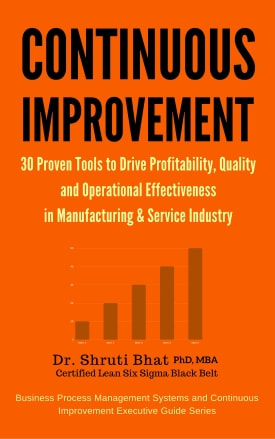
    Book on Continuous improvement tools by Dr Shruti Bhat
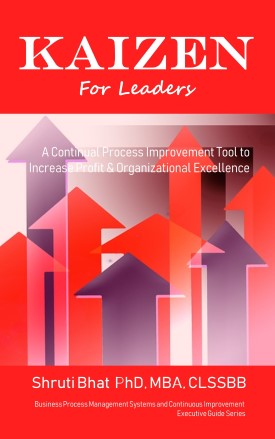
    kaizen for leaders, continuous process improvement tool to increase profit and organizational excellence by shruti bhat
    kaizen, shruti bhat, continuous improvement, quality, operations management
    how to lead a successful business transformation
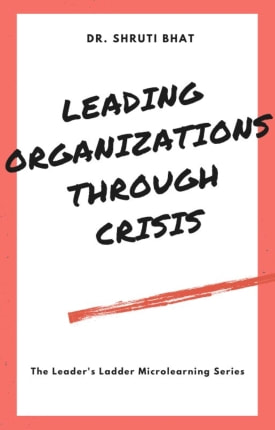
    leading organizations through crisis
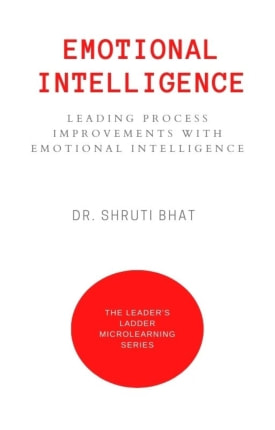
    emotional intelligence
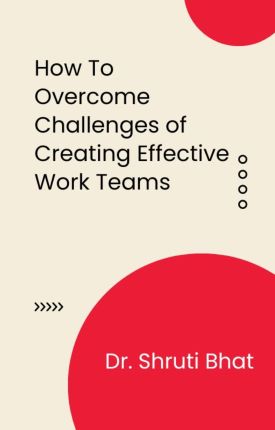
    how to overcome challenges of creating effective teams
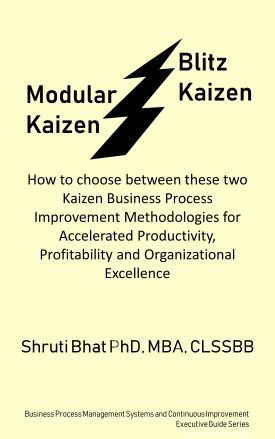
    modular kaizen Vs Blitz kaizen
    How to increase employee engagement as a new boss

Connect with Dr. Shruti Bhat at- ​YouTube, LinkedIn​ and X

© Copyright 1992- 2026 Dr. Shruti Bhat ALL RIGHTS RESERVED.
See Terms and Conditions details for this site usage.
Picture
Subscribe to PharmaOps Consulting YouTube Channel
Subscribe to Operational Excellence Academy YouTube Channel
​Subscribe to Operational Excellence Academy YouTube Channel
SHRUTI BHAT, CONTACT
Click to connect.
Disclaimer:
  • All content (and in all formats) provided on this site is for educational purposes only. It does not constitute legal, regulatory, quality, financial, medical or professional advice. If you wish to apply ideas contained on this site, web pages, resources bank, tools and/or blog; collectively referred to as website, you are taking full responsibility for your actions. 
  • No professional-client relationship is created by reading or using this content. 
  • ​To the fullest extent permitted by law, the author(s), Dr. Shruti Bhat and website owner disclaim liability for any loss or damage arising from reliance on the information contained herein. Read full disclaimer here before reviewing the site.
Created by Macro2Micro Media